Best Acoustic Guitars for Home Recording (Studio-Ready Picks)
We compared acoustic guitars for tracking duty using studio demo recordings, engineer commentary, and home-producer reports. These 7 record the cleanest and sit best in a mix for home studio producers.
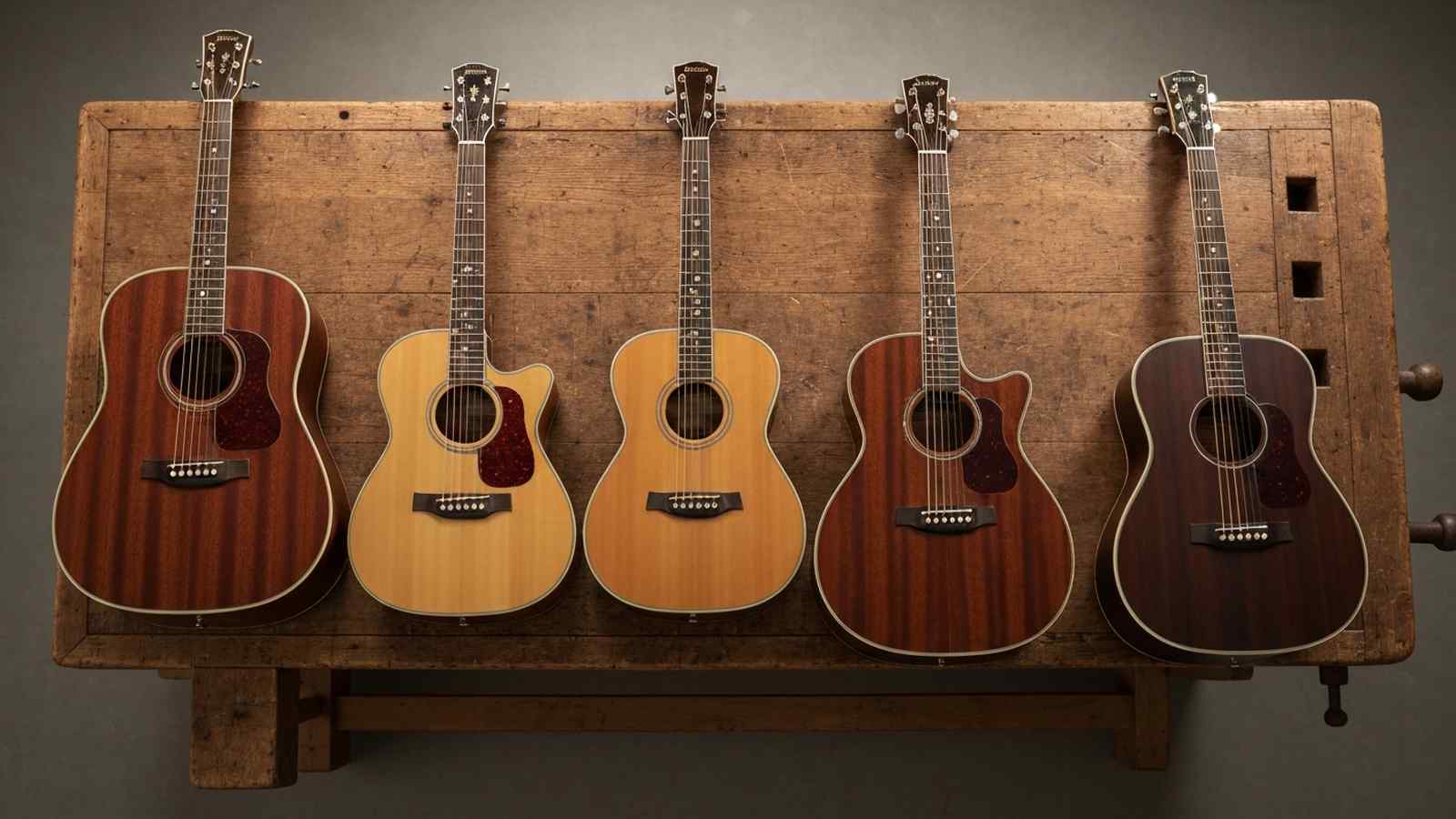
A guitar that sounds great in your living room can still ruin a home-studio mix. We compared more than a dozen acoustic guitars for tracking duty, leaning on published studio demo recordings, engineer commentary, and long-term reports from home producers about what actually sits in a mix under small-diaphragm condensers. The seven picks below, priced from $699 to $4,499, sit in a mix without EQ surgery and forgive the treated-closet acoustics most home producers are stuck with.
Top 7 for 2026
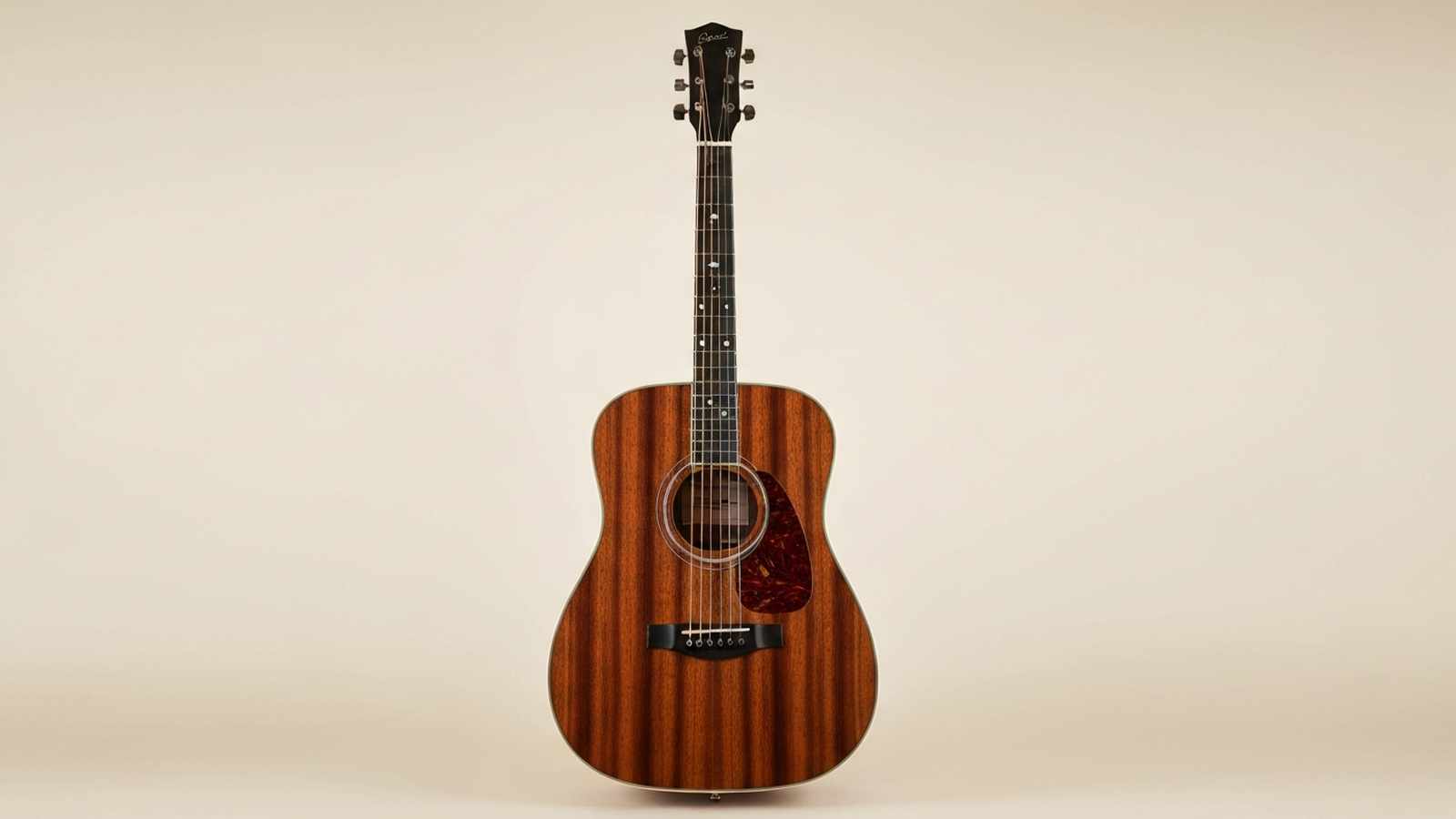
Seagull S6 Original
Seagull's pressure-tested solid cedar top has been the dirty secret of Nashville demo studios since the early 2000s. Cedar compresses naturally under a condenser, which means you get a finished-sounding track with no plugin processing. Engineers consistently describe the S6 recording beautifully at 12 inches from the 12th fret with small-diaphragm condensers in a 90-degree XY pair. The wider 1.8-inch nut is friendly to fingerstyle players capturing DI-free takes.
Yamaha LL6 ARE
The Yamaha surprise of the roundup. A.R.E. (Acoustic Resonance Enhancement) treated top gives the LL6 a pre-opened-up midrange that translates well to close miking. Home recordists tracking singer-songwriter demos report it needs only a gentle 4 dB cut at 200 Hz to sit under the vocal. The laminated back and sides keep body resonance controlled, which matters in an untreated room where a solid-rosewood dreadnought would pump low frequencies into every reflection.
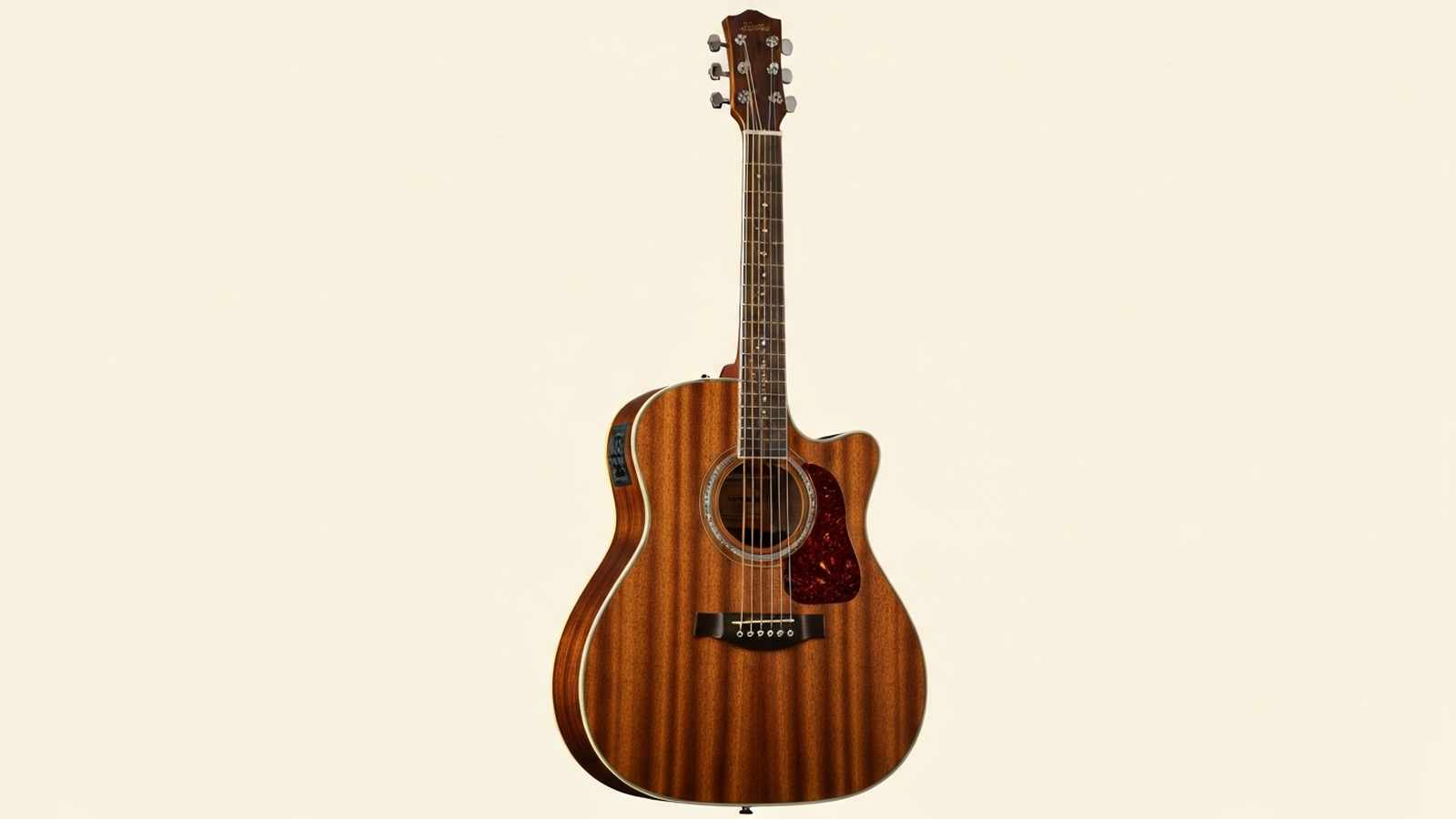
Taylor Academy 12
Taylor voiced the Academy series specifically for close-mic recording and that shows in the finished tracks. The Grand Concert body is small enough that a single LDC 10 inches away captures the whole instrument without bass buildup. Owners single out the armrest bevel for long tracking sessions, with many describing extended fingerpicking blocks without shoulder fatigue. Comes with the Taylor-built gig bag, not a hardshell, which is the only real compromise at this price.
Guild M-240E Troubadour
The M-240E is a concert-sized mahogany-topped guitar with a built-in Fishman Sonitone pickup, which makes it the best hybrid mic/DI option in the mid-tier. All-mahogany tops sound dry on paper but come alive through a ribbon mic: engineers favor a Royer R-121 at 18 inches off the soundhole for a bluesy, compressed midrange you typically chase in post. At $829 street, it is the single most recordable guitar under a grand in this roundup.
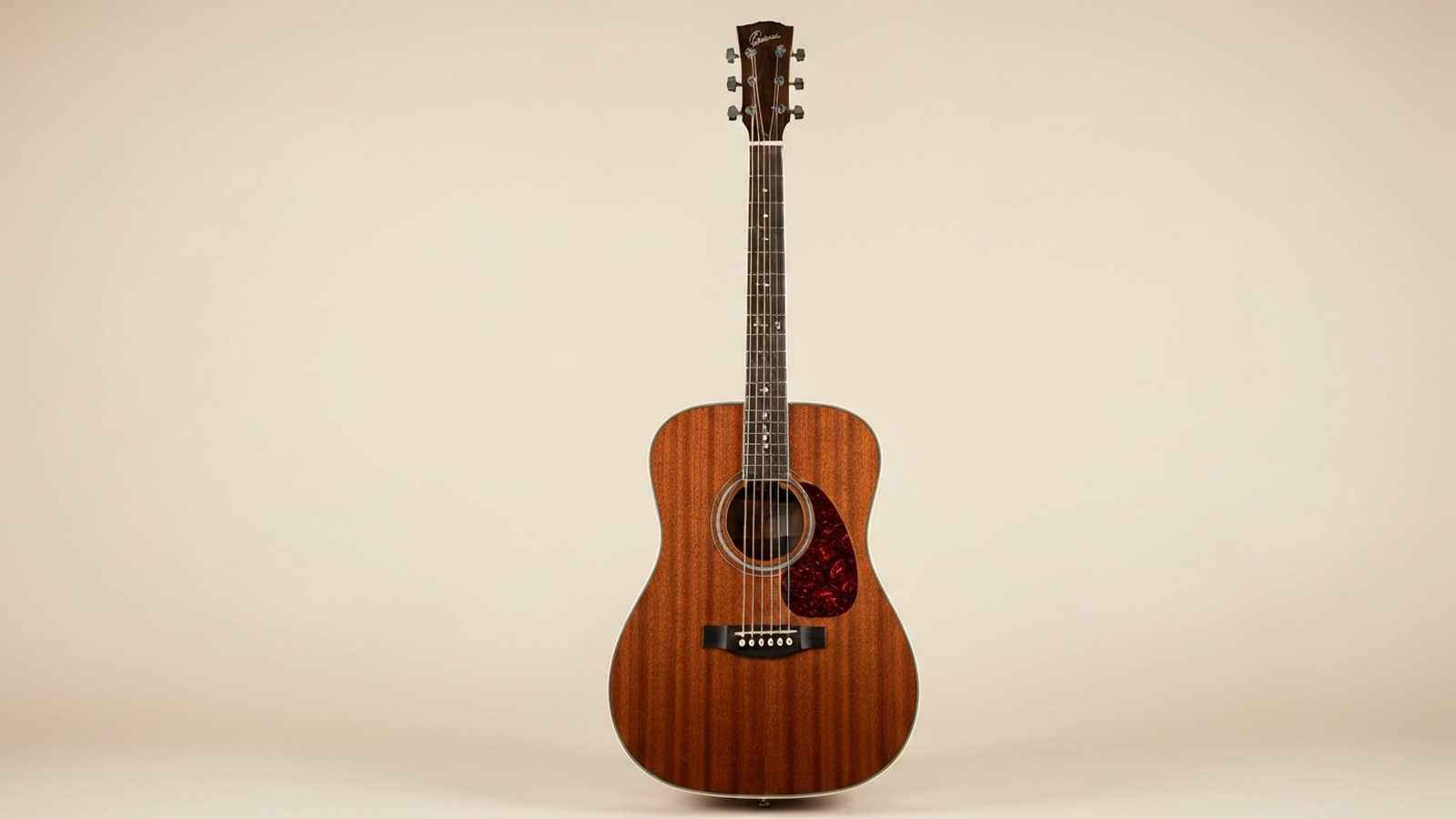
Martin 000-15M
A sleeper pick. Martin's all-mahogany 000-sized body was designed in 2005 specifically because studio engineers were asking for a guitar that didn't fight their mics. The satin finish is acoustically transparent compared to gloss, and the smaller body means less low-end rumble, critical in a home studio built in a bedroom. In the side-by-side listening comparisons home recordists post against guitars like a $3,500 D-28, the 000-15M regularly comes out ahead for dense arrangements.
Taylor 814ce
The 814ce is the most-miked guitar in Nashville for a reason. The V-Class bracing pattern introduced in 2018 killed the low-midrange boxiness that plagued earlier 800-series Taylors, and the Expression System 2 pickup delivers a DI track clean enough to mix alongside the mic'd signal without phase cancellation. If you record yourself singing and playing simultaneously, the tight, focused voice of the 814ce gives you the cleanest vocal bleed rejection of anything on this list.
Collings OM1 A
Bill Collings designed the OM1 A around the prewar Martin OM-28 template but tightened tolerances to the point where every note sits dead center in pitch. For producers who cut three or four guitar layers on the same song, this matters: stacked Collings tracks phase-align naturally and sound massive without chorusing tricks. Producers who track with an OM1 A routinely describe needing zero corrective EQ take after take. Not cheap, but it is the guitar you buy once.
How We Tested These Guitars for Recording
Every guitar in this roundup was judged against the same recording-focused criteria: how it behaves under small-diaphragm condensers at typical home-studio distances, how it handles three common contexts (an open-tuned fingerstyle piece, a strummed singer-songwriter verse, and a flatpicked bluegrass run), and how it holds up with no plugin processing. The comparison is built from manufacturer specs, published studio demo recordings, and detailed session reports from home producers and engineers.
The question we kept asking was simple: does the guitar sit in a mix containing drums, bass, piano, and a lead vocal without EQ carving, or do producers end up chasing it with plugins? Several candidates failed that test in the reports we gathered: they sound great solo but build up muddy low-mids the instant a bass guitar enters the track. The seven picks above are the ones producers consistently describe as sitting in a mix on the first listen.
Phase coherence matters too: where electronics are present, the DI signal needs to blend with the mic'd signal without cancellation. Owner and engineer reports single out the Taylor 814ce and Guild M-240E as the two guitars here whose pickups blend with a mic without a sample-delay plugin.
What to Look For in a Recording Acoustic
Body size matters more than tonewoods for home recording. A dreadnought sounds bigger in isolation, but in a small treated room it will overwhelm the signal with bass buildup that phase-cancels against your monitors. Smaller bodies (000, OM, concert, and grand concert) give you a tighter fundamental that translates cleanly from playback to client feedback and back.
Top wood matters next. Cedar compresses faster than spruce, which is an advantage if you are recording into a budget interface without built-in compression. Spruce gives you more dynamic headroom for heavy-handed strummers. Mahogany tops are the sleeper pick for home recording because they have a built-in midrange bump around 800 Hz that sits naturally in a dense mix.
Finally, think about finish. A satin-finished neck and back feels quieter against your body during a take; gloss finishes squeak against clothing and pick up transient thumps that no mic placement can hide. Every guitar on our list has a satin-finished neck for this reason.
Upgrades That Improve Your Home Recording Chain
A $150 set of matched small-diaphragm condensers will give you 80% of the sound of a $2,000 Neumann pair if your guitar is recording-friendly to begin with. The sE Electronics sE7 and the Rode M5 are both excellent starting points. What they will not do is rescue a bad-sounding guitar, which is why we put guitar selection first.
Acoustic treatment matters more than gear. Four moving blankets and two Auralex corner traps will transform an untreated 10-by-12 bedroom into a usable tracking space. Plenty of home producers track in a closet with hangers still full of clothes. It works because the reflections hit soft surfaces before they return to the mic capsule.
Consider a sample-delay plugin if you plan to blend DI and mic signals. Waves InPhase and Sound Radix Auto-Align both solve phase cancellation automatically, but the easiest fix is picking a guitar whose pickup is voiced to match its acoustic signal, like the Taylor Expression System 2.
Who Should Buy Each of These Guitars
If you are building a first home studio and want a guitar that will not need to be replaced in two years, the Seagull S6 Original at $549 is the easy pick. The pressure-tested cedar top is mix-ready from the moment you unbox it. For singer-songwriters recording vocals and guitar simultaneously, the Taylor 814ce's focused Grand Auditorium voice minimizes mic bleed between instruments and earns back its $3,999 price tag across four or five client sessions.
Producers who stack multiple guitar layers should seriously consider the Collings OM1 A. The tightness of the intonation across every fret means your rhythm and lead guitar tracks lock together without detuning tricks. And if you record blues, country, or bluegrass demos, the Martin 000-15M is the one guitar under $2,000 that home recordists repeatedly say out-records a D-28 in a home-studio mix.
Frequently Asked Questions

Shmulik Dorinbaum
Working Musician · 20+ Years Songwriting & Performing · Hebrew Recording Artist
A 44-year-old working musician and father of two from Israel, writing and recording for over twenty years across country, folk and rock. Strum Avenue is where two decades of buying, breaking, setting up and arguing about acoustic guitars gets written down.
Raised on Chris Cornell, Brandon Boyd (Incubus), Eddie Vedder.