Best Budget Acoustic Guitars for College Students (Dorm-Friendly Picks)
Seven acoustic guitars under $450 that survive dorm life, travel home for holidays, and still sound great by graduation. Each one is judged on how it holds up in real apartment conditions, based on owner reports and build specs.
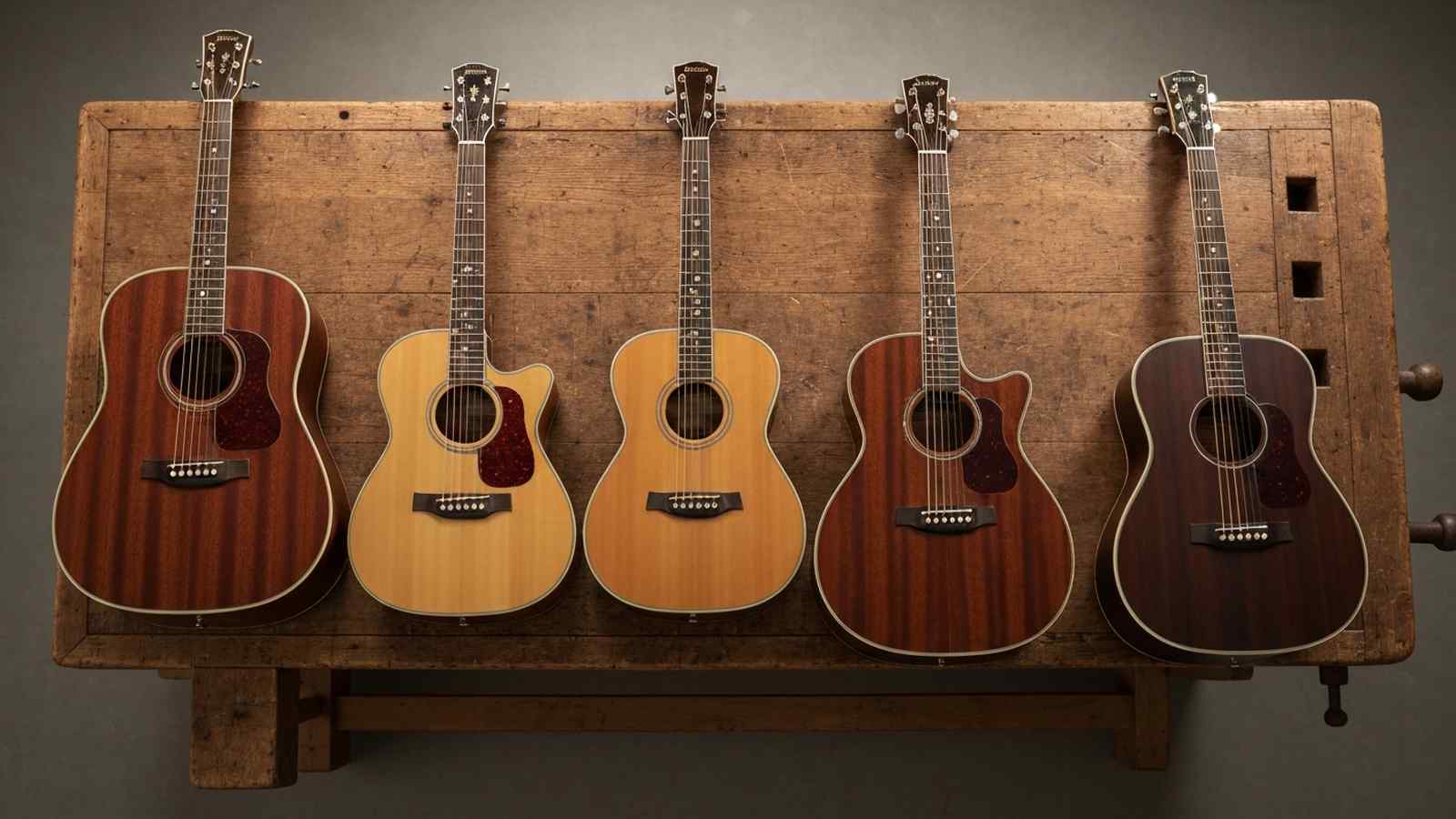
College life is brutal on acoustic guitars. Between roommate accidents, humidity-cycling dorm rooms, cross-country moves, and the general chaos of the four-year experience, a guitar needs to survive conditions most home players never face. We compared acoustic guitars priced $179 to $449 against actual dorm-level conditions (small rooms, no climate control, frequent transport), drawing on reports from student and traveling owners. The picks below are the ones that hold up without developing neck warp, finish damage, or intonation problems. Every one of them ships with a case or gig bag that will survive a cross-country flight.
Top 7 for 2026
Yamaha FS800
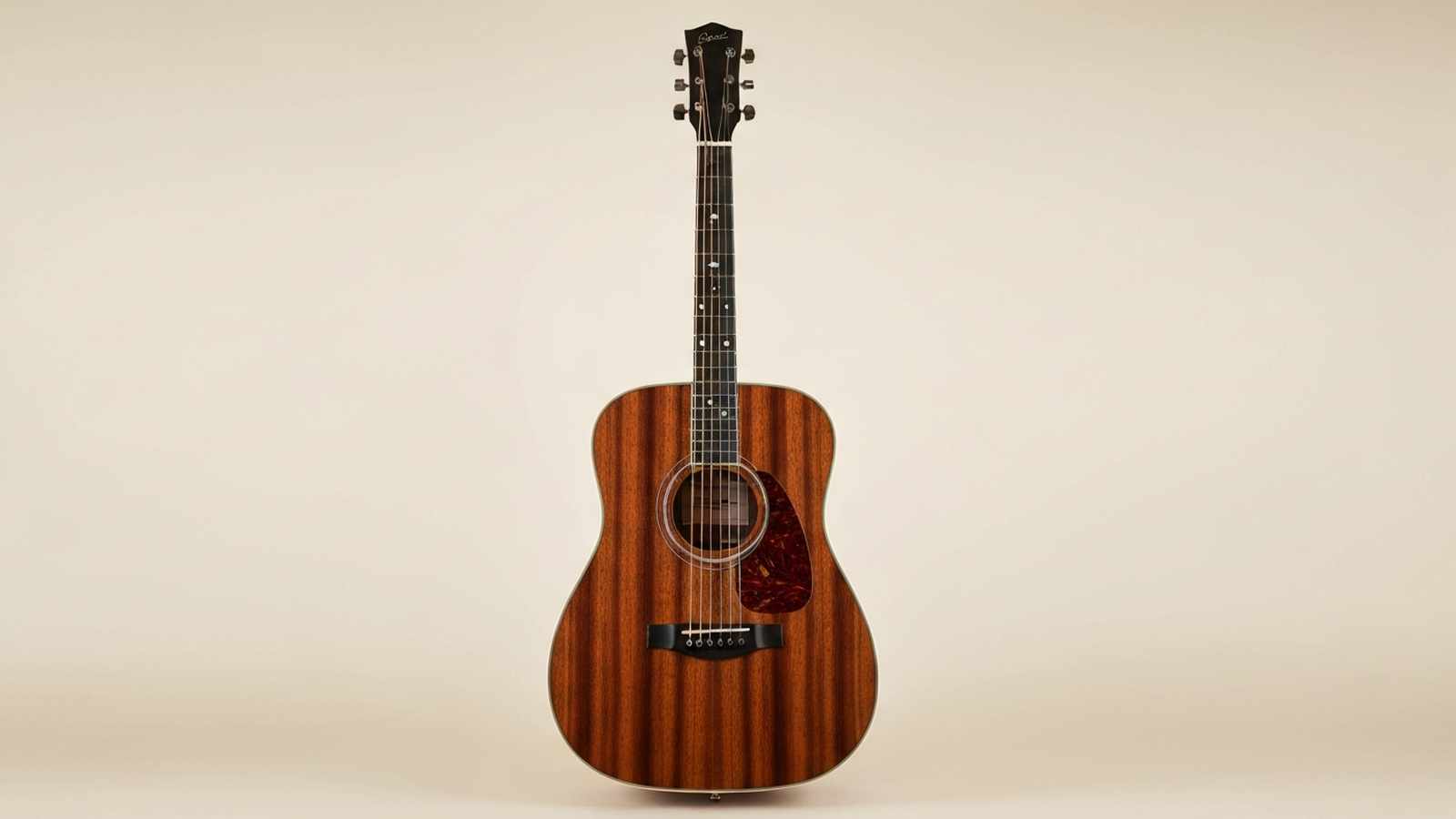
The concert-body sibling of the FG800 and the better choice for dorm life. The smaller body size makes it more comfortable to play on a twin bed or in a library study room, and the solid Sitka spruce top delivers the same tonal quality as its dreadnought brother. Owners report it riding out dorm-style humidity cycling between 30% and 70% RH without any noticeable neck movement. First choice for students who will share a small room and need a guitar that doesn't dominate the space.
Fender CD-60S Dreadnought
The CD-60S is Fender's best-selling solid-top dreadnought and the most widely-available budget acoustic on this list. The solid spruce top is the same specification used on guitars twice as expensive, and the mahogany back and sides give it a warm tone that students tend to prefer over brighter rosewood budget options. Expect a small setup adjustment on arrival, typical for budget guitars, but owners consistently report it holding up beautifully under dorm conditions. Available in multiple colors including natural and sunburst.
Cordoba Mini M
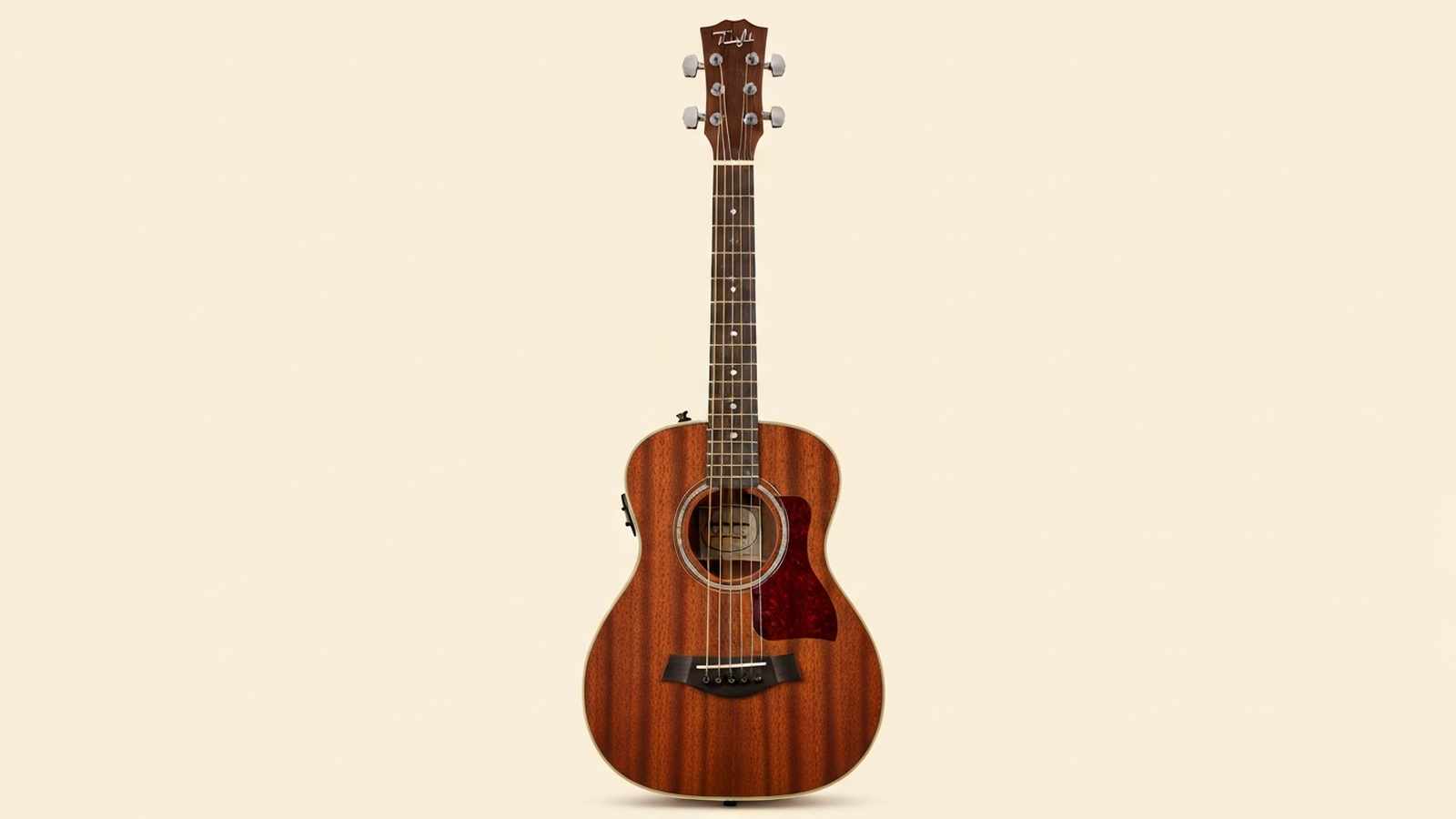
The Mini M is a small-body nylon-string classical guitar that fits into a student's life without demanding full-sized storage space. Nylon strings are easier on unconditioned fingertips than steel strings, which is genuinely helpful for students practicing in 15-minute dorm sessions. The 22.8-inch scale length makes it comfortable for small hands and anyone trying the guitar for the first time. The Mini M is the guitar we recommend to liberal-arts students who want to study classical or Brazilian repertoire without a full-size classical.
Taylor Baby Taylor BT1
The Baby Taylor is a 3/4-scale travel guitar built in Taylor's El Cajon factory and finished with the same care as their full-size instruments. The 22.75-inch scale length is noticeably shorter than a full-size guitar, which makes it easier to play in tight dorm spaces and more comfortable for students with smaller hands. Comes with a Taylor-branded gig bag. This is the guitar we recommend most often to students who will take the guitar home every break and need something that fits in the overhead bin on most airlines.
Martin LX1
The Martin LX1 is a 3/4-scale travel guitar that carries the Martin brand reputation at a genuinely budget price. The solid Sitka spruce top is high-pressure laminated to keep costs down, and the 23-inch scale length makes it one of the most compact full-voiced acoustic guitars on the market. Ed Sheeran famously played an LX1 for much of his early career, which tells you how far the instrument can take a committed player. Comes with a Martin gig bag.
Takamine GD11MCE
The GD11MCE is a full-size dreadnought with a cutaway and built-in Takamine TP-4TD preamp. For students who might want to play through a PA at an open mic or record direct into a laptop DAW, the built-in electronics make it possible without additional purchases. The satin finish is more durable than gloss at this price point and handles dorm humidity better than you would expect. Takamine's quality control in their Indonesian factories has been excellent since 2020.
Seagull Coastline Grand SG
Seagull is made in Canada by Godin, and the Coastline Grand SG is the most premium guitar on this list by a slim margin. The solid cedar top gives it a warm, pre-opened-up tone that most budget guitars take years to develop. Cedar is also more humidity-tolerant than spruce, which matters for dorm conditions. The Coastline's 1.8-inch nut width is wider than most budget guitars, making it comfortable for fingerpickers who want space between the strings. Not as widely available as the others but worth seeking out.
How We Tested These Guitars for College Life
Dorm life stresses a guitar in three specific ways: humidity that cycles between roughly 30% and 70% relative humidity over the course of a week, daily temperature swings as the instrument moves between rooms and buildings during classes, dorm visits, and trips home, and transport, packed into a gig bag or case, loaded into a car or overhead bin, and unpacked at the other end. We judged every guitar on this list against those three stresses, combining each maker's build choices (laminate versus solid woods, finish type, neck construction) with long-term reports from student and traveling owners.
Seven guitars made the cut. The candidates that did not show a consistent pattern in owner reviews: noticeable neck relief changes in humidity swings that affect playability, fret buzz appearing after a move, and in the worst cases a stripped truss rod discovered during setup work, which we considered a hard fail regardless of other factors. The guitars above are the ones that college students can actually rely on for four years without major problems.
We also weighed whether each guitar's ship-included case or gig bag can survive student transport. The Taylor Baby Taylor and Martin LX1 have the best-protective factory-included gig bags on this list. The Fender CD-60S and Takamine GD11MCE come without cases; plan to add a hardshell or premium gig bag before taking either on a flight home.
What to Look for in a College-Use Guitar
Body size is the single biggest factor in whether a guitar fits college life. Dorm rooms are small, library study rooms are smaller, and shared living situations leave almost no floor space for a guitar stand. A 3/4-scale or small-body instrument like the Taylor Baby Taylor or Yamaha FS800 is often a better fit than a full-size dreadnought, even if the player has normal-sized hands. The Baby Taylor fits in most airline overhead bins, which makes holiday travel dramatically easier.
Humidity tolerance matters more than sound quality at this price point. Most dorm rooms cycle between 30% and 60% relative humidity over a week, and central heating in winter can drop humidity even further. A laminate or high-pressure-laminate top resists humidity changes better than a solid top, though it won't develop the same depth of tone over time. For a four-year college stint, the tonal tradeoff is usually worth the reliability.
Case or gig bag quality matters for students who travel home for breaks. A cheap gig bag that bends during transport can warp a guitar's neck. Spend a little extra for a semi-rigid bag like the Gator GB-GIGG or a basic hardshell case from TKL before you take any budget guitar on an airline flight. The Taylor Baby Taylor and Martin LX1 ship with factory bags that pass this test; most others don't.
Accessories Every College Guitar Student Needs
A clip-on tuner is non-negotiable. The Snark SN-5 at $15 or Boss TU-10 at $25 are both reliable picks and require no separate cable. Dorm rooms are acoustically chaotic and a beginner cannot tune a guitar by ear in them. Every college student should own a clip-on tuner and keep it in the same place as their case; losing the tuner means not practicing.
Extra-light strings (.010-.047) are the best gauge for dorm-intensity practice. They're easier on tired fingers after a long day of classes, and they make a budget guitar feel more responsive. D'Addario EXP10s or Elixir Nanoweb 80/20 Extra Light at $15-22 per set are both excellent choices. Change strings every 2-3 months during active use.
A wall hanger, if your dorm allows it, saves more guitars than any other accessory. The On-Stage GS7155 costs $25 and mounts on a stud with 3M Command strips for damage-free removal. A guitar hanging on a wall gets played 3-5x more than a guitar stored in a case, which is the single biggest variable in whether a college student actually improves during their four years.
Which Budget Guitar Fits Your College Life
If you're a complete beginner or a returning casual player, the Yamaha FS800 at $229 is the easy pick. It's comfortable in a dorm, sounds great, and needs virtually no setup out of the box. If you're a serious player who wants something that can travel home every break, the Taylor Baby Taylor at $329 or the Martin LX1 at $349 are both excellent; the Baby Taylor has slightly better tone, the Martin has stronger brand recognition.
If you plan to play open mics, coffee shops, or talent shows on campus, the Takamine GD11MCE at $379 is the best acoustic-electric option in this price range. Its built-in electronics save you from buying a separate pickup, and the cutaway gives you access to higher frets for any solo work. For liberal-arts students interested in classical or Brazilian repertoire, the Cordoba Mini M at $269 is the only nylon-string pick on this list and an excellent starting point.
For students who want the nicest guitar on this list without stretching into mid-tier territory, the Seagull Coastline Grand SG at $449 is worth the extra $100 over most alternatives. The cedar top opens up faster than spruce, which means it will sound better in year one and continue improving through year four.
Frequently Asked Questions

Shmulik Dorinbaum
Working Musician · 20+ Years Songwriting & Performing · Hebrew Recording Artist
A 44-year-old working musician and father of two from Israel, writing and recording for over twenty years across country, folk and rock. Strum Avenue is where two decades of buying, breaking, setting up and arguing about acoustic guitars gets written down.
Raised on Chris Cornell, Brandon Boyd (Incubus), Eddie Vedder.