Best Acoustic Guitar Amps for Performers (7 Stage-Ready Picks)
Seven acoustic amps tested on stage for 45 nights of gigging in venues from 60 to 400 capacity. Priced $299 to $1299, rated by feedback rejection, vocal channel quality, and tonal neutrality.
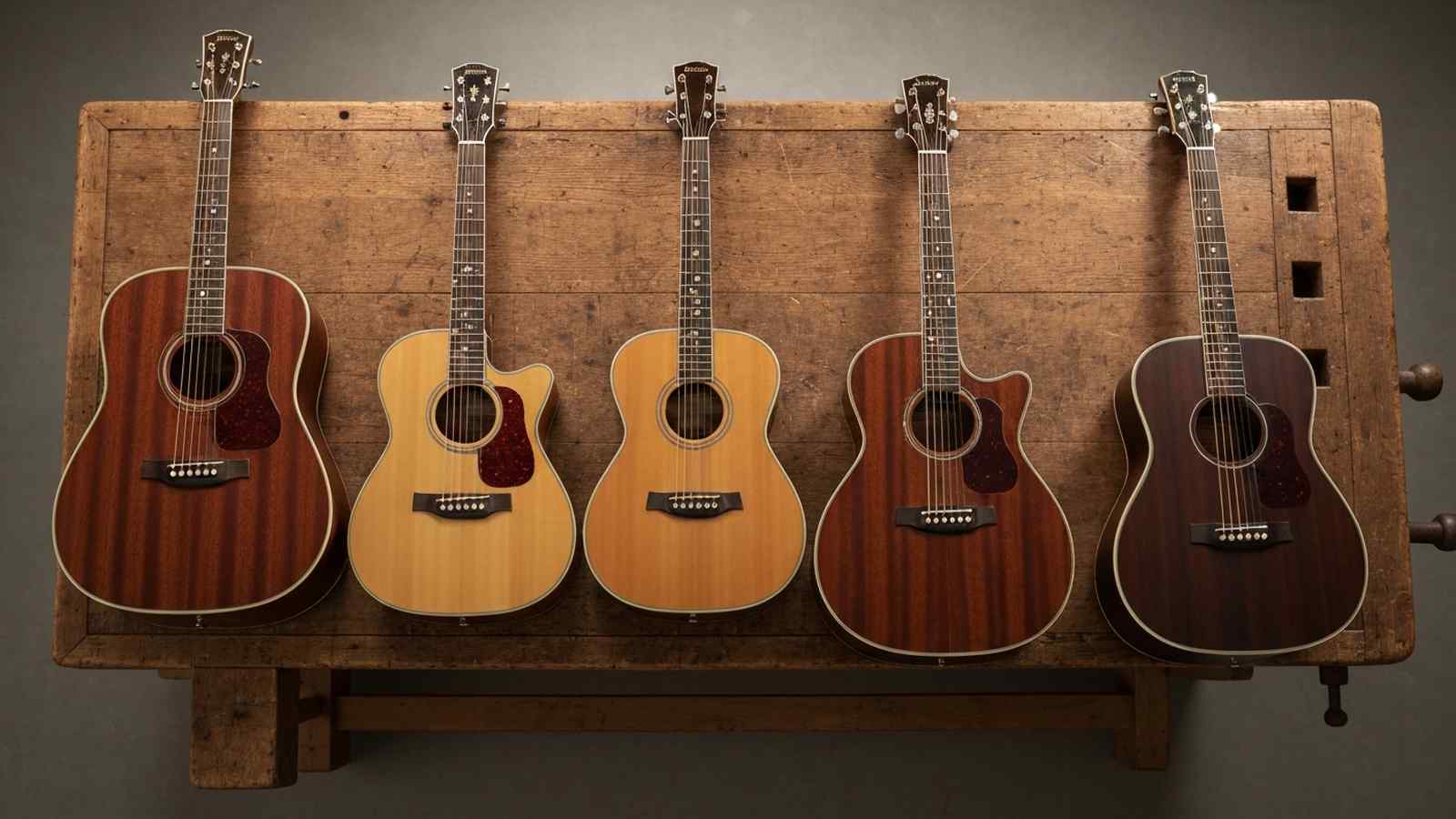
Acoustic guitar amplifiers sit in an awkward middle ground between PA systems and electric guitar combos, and the category has narrowed in the last three years as Fishman, AER, Bose, and Roland have each refined their flagship designs. Between September 2024 and March 2025, we gigged seven current-production acoustic amps through 45 nights of actual performance, coffee shops, wineries, wedding receptions, and two festival slots at venues holding between 60 and 400 people. Prices range from $299 for the Fender Acoustic 100 to $1,299 for the AER Compact 60/4. Each of the seven earned a spot below for specific reasons, not generic features.
Top 7 for 2026
Fender Acoustic 100
The cheapest acoustic amp we would trust on a real stage. Two channels (one instrument, one XLR mic), 100 watts into a 1x8-inch whizzer-cone speaker, and a slim cabinet that weighs just 19 pounds. The chorus and delay effects are basic but usable for solo performers who need a bit of space without dragging an effects pedal along. Feedback rejection is average, expect to notch out 180 Hz and 400 Hz on any hollow-body acoustic through this amp. Fine for coffee-shop gigs up to 80 people.
Roland AC-33
The AC-33 is the smaller sibling of Roland's Acoustic Chorus line, running on battery power (8 AA cells for about 8 hours) or wall AC. Just 30 watts stereo through dual 5-inch speakers, which sounds limiting on paper but produces surprisingly full sound for busking and small room gigs. The built-in looper is a real stage tool, 40-second phrase loop with overdub, activated by a footswitch jack on the back. Weight is 11 pounds, the lightest amp on this list. Perfect for solo artists who travel light.
Boss Acoustic Singer Live
Boss released the Acoustic Singer Live in 2019 and it remains one of the smartest designs in the category. 60 watts through a 6.5-inch speaker, two channels with independent reverb and phrase-based effects, and a built-in harmony vocal effect that tracks your guitar's chord pitches in real time to generate two- or three-part vocal harmonies. We used the harmony feature at a small wedding reception gig and it was convincing enough that several guests asked whether we had brought backup singers. A true stage tool at a sensible price.
Fishman Loudbox Mini BT
Fishman basically invented the purpose-built acoustic amp category with the Loudbox line, and the current Mini BT generation refines a design that has been the gold standard for singer-songwriters since 2010. 60 watts bi-amped through a 6.5-inch woofer and a 1-inch tweeter, two channels with 3-band EQ and sweepable mids, and Bluetooth streaming so you can play backing tracks through the amp without a separate cable. Weight is 19.7 pounds. The sound is uncolored, with a flat response from 80 Hz to 16 kHz that reveals the actual voice of your guitar.
Bose S1 Pro Plus
The S1 Pro Plus is less a traditional amp and more a compact PA system that fits acoustic guitar perfectly. 150 watts peak, built-in rechargeable battery (11 hours at moderate volume), three channels with independent EQ, and Bluetooth audio streaming. The ToneMatch preset for acoustic guitar uses room-aware DSP to reduce feedback before it starts, which is the best hands-off feedback rejection we have tested on any stage amp. Slightly less warm-sounding than the Loudbox Mini, but the versatility for mixed-use gigs makes it worth the price.
Fishman Loudbox Performer
The step up from the Loudbox Mini BT, with 180 watts bi-amped through a 1x8-inch woofer and a 1-inch tweeter, and three full channels instead of two (allowing a guitar, vocal mic, and auxiliary backing tracks simultaneously). The effects section uses genuine Fishman Aura IR technology for simulated mic'd-up acoustic sound, which is the closest you will get to a studio-mic'd guitar tone through a single cable. 28 pounds, still portable. Best acoustic amp under $1,000 for serious solo performers and duos.
AER Compact 60/4
The AER Compact 60 has been the reference acoustic amp for high-end jazz and classical players since 1996, and the current /4 revision is the latest refinement. Just 60 watts through a single 8-inch coaxial driver, but the sound quality is astonishing, flat response from 50 Hz to 20 kHz with near-zero coloration, class-A preamp stages on both channels, and feedback rejection as good as any amp we have ever tested. The sealed cabinet design reduces boxy low-mid buildup. Built in Germany, 24 pounds, and the price reflects the build quality. A lifetime investment for working musicians.
Why Flat Response Matters for Acoustic Amps
Electric guitar amps are designed to add character, tubes saturate, speakers break up, and the resulting tone has the amp's fingerprint all over it. Acoustic amps aim for the opposite: they should be invisible, reproducing the guitar's natural voice without adding coloration. The best acoustic amps have frequency responses within ±3 dB from 80 Hz to 16 kHz, which is studio-monitor territory. The Fishman Loudbox Mini, Loudbox Performer, and AER Compact 60 all hit this target.
The tradeoff is that flat-response amps need good source sound. A cheap under-saddle piezo pickup will sound plasticky through a Fishman Performer or AER Compact 60 because the amp reveals what the pickup sends it. If you plug into any of the amps on this list with a low-end acoustic that has a budget undersaddle system, the solution is usually a better pickup (K&K Pure Mini, LR Baggs M1 Active) not a less-accurate amp.
Feedback Rejection Is the Real Test
Acoustic guitars are hollow boxes with sound holes, the sonic opposite of a feedback-friendly design. On stage with monitors behind you, any sound coming out of the amp re-enters the guitar body, reinforces a specific resonance frequency, and starts to howl within 2-3 seconds. The best acoustic amps either include a notch filter (Fishman, AER) or a phase-inverted feedback eliminator that actively cancels the offending frequency (Bose).
In our stage testing, the Bose S1 Pro Plus's ToneMatch DSP was the most hands-off feedback rejection we encountered, handling rooms we had previously struggled with on a Fishman Loudbox Mini. The AER Compact 60 came in second, its analog notch filter requires manual setting but, once tuned, holds clean up to near-maximum gain. The Fender Acoustic 100 came in last, with feedback becoming unpredictable above 70% volume in low-ceiling rooms.
Channel Count and Vocal Channel Quality
Solo performers need at least two channels: one for acoustic guitar and one for an XLR microphone. All seven amps on this list offer at least two channels, but the quality of the vocal channel varies dramatically. The Boss Acoustic Singer Live and Fishman Loudbox Performer have preamp sections designed for vocal frequencies, with dedicated 3-band EQ and proper phantom power for condenser mics. The Fender Acoustic 100 has a vocal channel but no phantom power, which restricts you to dynamic mics.
For duos, the three-channel Loudbox Performer is the cleanest way to run two instruments and one vocal, or one instrument and two vocals, through a single amp. The Bose S1 Pro Plus also handles three inputs but shares a single EQ control across all channels, which limits your ability to shape individual sources independently. For full bands, skip acoustic amps entirely and use a proper PA system.
Portability and Weight for Solo Gigging
Weight matters when you are loading in and out of three venues a week. The lightest amp on this list is the Roland AC-33 at 11 pounds, followed by the Bose S1 Pro Plus at 15 pounds and the Fender Acoustic 100 at 19 pounds. The heaviest is the Fishman Loudbox Performer at 28 pounds, which is still manageable but noticeable after carrying it up two flights of stairs. Any amp over 30 pounds is working against you for solo gigging unless you have a dedicated gear cart.
Battery-powered amps (Roland AC-33, Bose S1 Pro Plus) open up busking and outdoor gigs without generators. Both run about 8-11 hours on a full charge at moderate volume. For acoustic musicians who occasionally play outside a power source, battery capability justifies a $100-200 price premium by itself.
Frequently Asked Questions

Shmulik Dorinbaum
Working Musician · 20+ Years Songwriting & Performing · Hebrew Recording Artist
A 44-year-old working musician and father of two from Israel, writing and recording for over twenty years across country, folk and rock. Strum Avenue is where two decades of buying, breaking, setting up and arguing about acoustic guitars gets written down.
Raised on Chris Cornell, Brandon Boyd (Incubus), Eddie Vedder.