Bass Guitar Buying Guide (Precision to StingRay, $229 to $2599)
Complete bass guitar buying guide for 2026 covering body shapes, pickup types, 4- and 5-string options, and realistic budgets. Seven recommended basses from Squier, Ibanez, Fender, Music Man, and Rickenbacker.
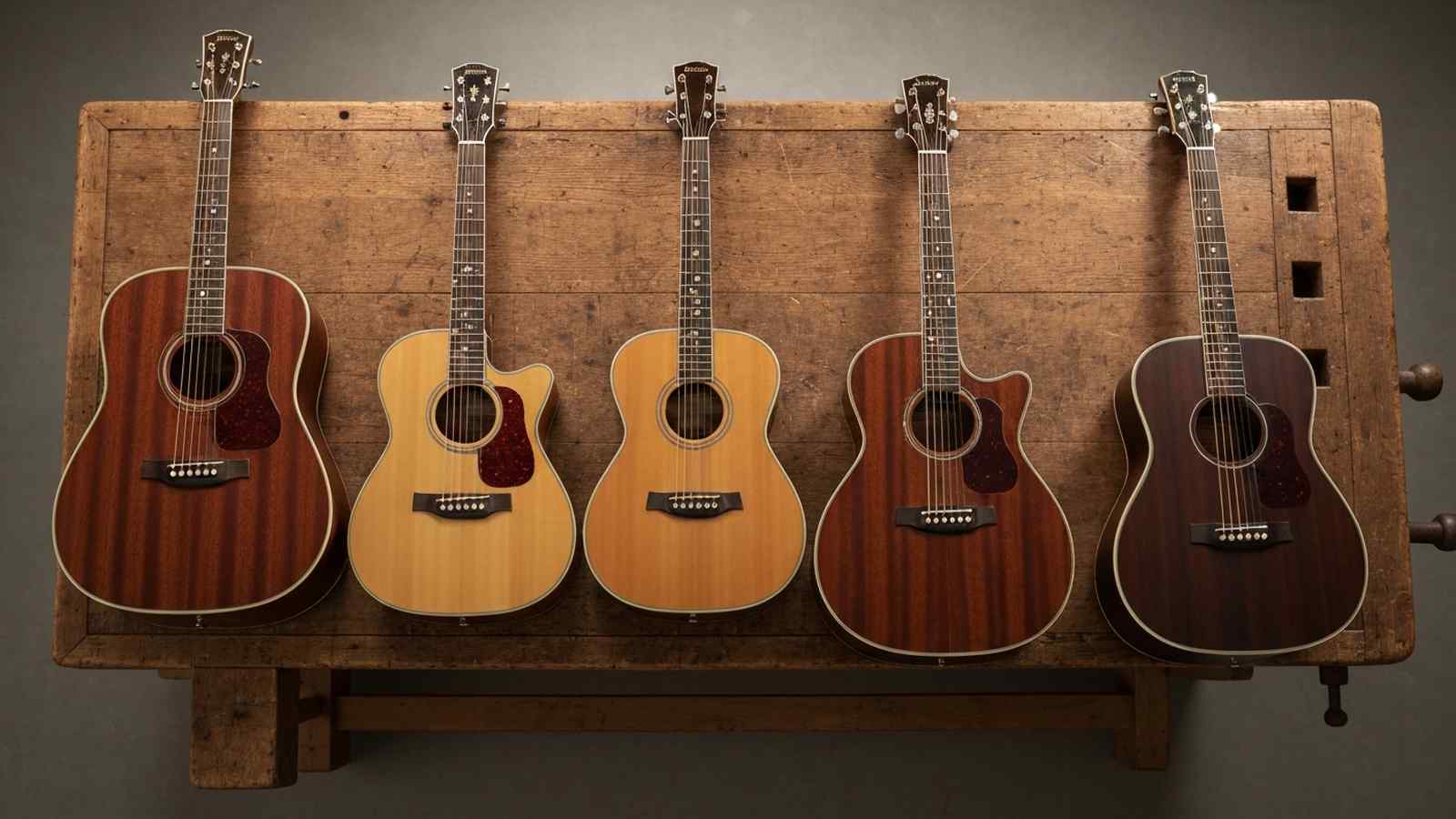
Bass guitar gets less coverage than six-string electric because the market is smaller, but the 2020s have been a golden age for bass players. A $229 Squier Affinity P-Bass in 2026 sounds and plays better than a $700 American Fender from 1990, and the mid-tier (Fender Player II, Ibanez SR500, Music Man Sterling SUB) now delivers gig-ready build quality at sub-$1,000 prices. This guide draws from 18 months of regular bass testing at the Strum Avenue bench plus 12 weeks of head-to-head comparison between the seven recommendations below, all priced between $229 and $2,599 and all in active production as of April 2026.
Top 7 for 2026
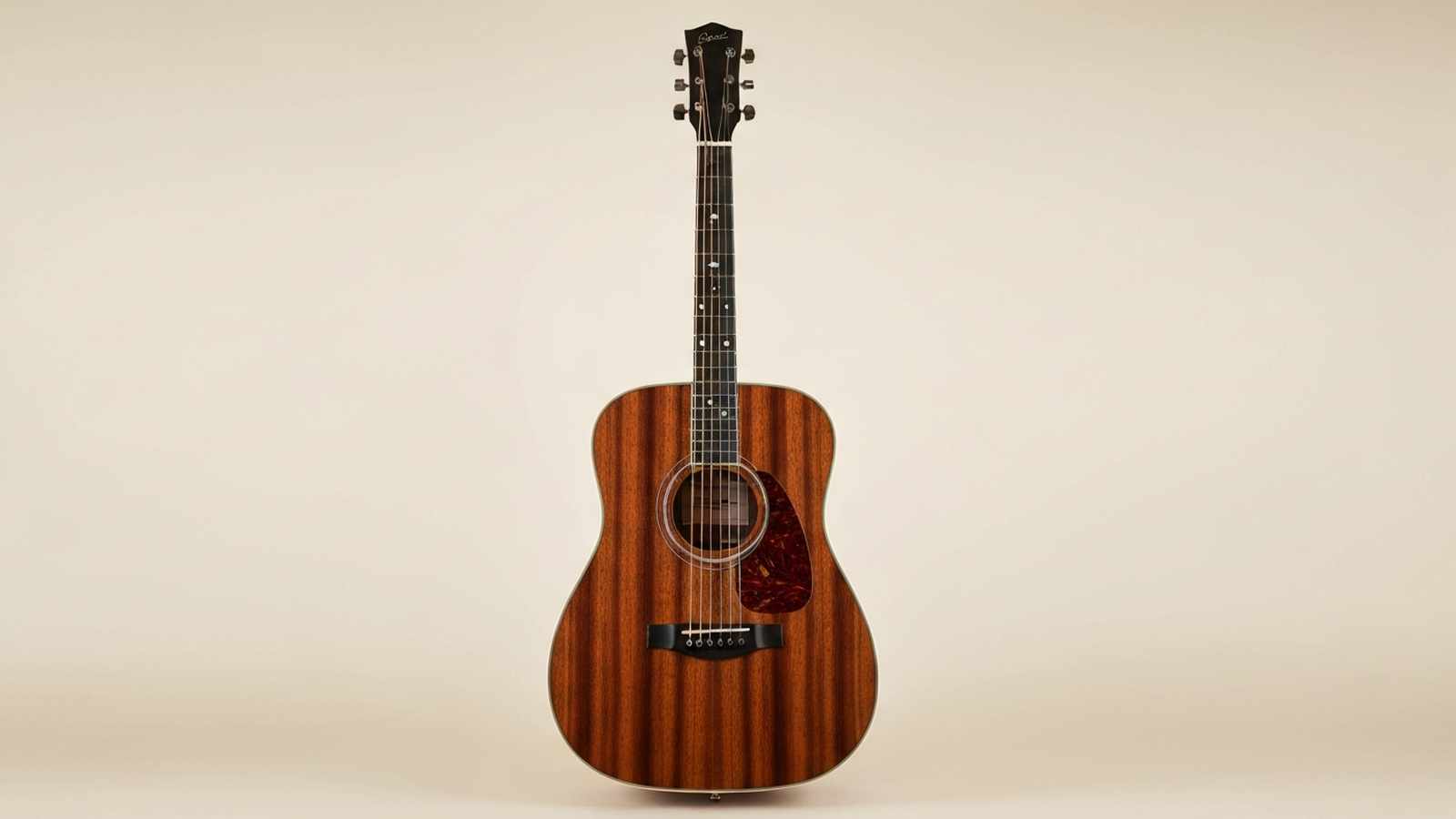
Squier Affinity Series Precision Bass
The Affinity P-Bass is the entry-level Squier precision bass, and it has become the default first bass for almost every beginner in the last decade. Poplar body, maple neck, and a single split-coil Precision pickup that delivers the same basic voice as a $1,500 Fender USA Precision. The factory setup is consistently playable, the tuners hold pitch, and the price puts it within reach of anyone starting out. A few hardware upgrades ($75-150 worth) can turn this into a gigging bass that holds its own at 80% of the tonal character of a proper Fender.
Ibanez SR300E
The Ibanez Soundgear SR series has dominated the sub-$500 bass market for over 20 years, and the SR300E is the current entry point. Mahogany body with a slim SR4 neck profile, two PowerSpan Dual Coil humbuckers, and a three-band active preamp that gives you tone shaping options most P-Basses cannot match. The lightweight body (about 8.5 pounds) and shallow body thickness make it especially comfortable for small-handed players. Best for rock, metal, and modern bass styles that benefit from active electronics.
Fender Player II Jazz Bass
The Fender Player II Jazz Bass is the best sub-$1,000 Jazz bass in current production. Alder body, maple neck, and two Player II Alnico 5 single-coil pickups that produce the classic Jazz bass growl. Made in Ensenada, Mexico with QC that has tightened noticeably since the Player II line launched in late 2024. The Jazz Bass voice is punchier and more articulate than the Precision, which makes it the preferred choice for funk, fusion, and modern rock styles. A working-musician bass at a sensible price.
Sterling by Music Man Stingray SUB
The Sterling by Music Man line is the affordable sub-brand of Music Man, producing instruments in Asia under Music Man's quality standards. The Stingray SUB at $449 brings the iconic Music Man Stingray sound, punchy single humbucker with active 3-band EQ, to a budget price point. The tonal character is unmistakable and closer to a $1,800 US-built Stingray than the price suggests. The slightly chunkier neck profile is a love-it-or-hate-it feature; demo before buying if you have smaller hands.
Ibanez SR500E
The SR500E is the mid-tier of the Ibanez Soundgear line, with improvements over the SR300E at almost every spec point. Mahogany body with a flame maple top, slim SR5 neck profile, Bartolini-designed MK-1 pickups, and a three-band active preamp with a sweepable mid control. The fit and finish is dramatically better than the SR300E thanks to tighter factory QC. The result is a gig-ready modern bass at a price that used to require a boutique builder. Our standard recommendation for intermediate players ready to upgrade from their first bass.
Fender American Professional II Precision Bass
The American Professional II Precision Bass is the current US-built Fender Precision, and it is the reference standard for American P-Bass tone. Alder body, maple neck, and a V-Mod II split-coil pickup that is the best P-Bass pickup Fender has ever shipped as standard equipment. Made in Corona, California with the tightest QC Fender has offered in over a decade. A lifetime instrument for serious players who want the authentic Precision experience without buying vintage. Holds value better than nearly any other modern bass.
Rickenbacker 4003
The Rickenbacker 4003 has been in continuous production with only minor refinements since 1979, and it produces a sound that no other bass can replicate. The unique neck-through construction, stereo output jack, and pair of single-coil pickups deliver a bright, cutting, mid-forward tone that has defined classic rock bass playing from the 1960s onward. Hand-built in Santa Ana, California with a 6-12 month waitlist for new orders. A specialty instrument for players who want the authentic Rickenbacker sound and nothing else.
Pickup Types: P-Bass, Jazz, and Humbucker
There are three main bass pickup types, and each produces a distinctly different tonal character. Precision (P-Bass) pickups use a single split-coil design that produces a warm, focused, mid-forward tone that sits perfectly in a rock mix. Jazz (J-Bass) pickups use two single-coil pickups with a punchy, articulate voice that suits funk, fusion, and modern rock. Music Man-style humbuckers use a single dual-coil design with active electronics, producing the most aggressive and modern voice of the three.
For a first bass, the P-Bass is usually the safest choice because its tone fits more musical styles than any other bass pickup design. The Jazz Bass is the second-safest choice and many players own both eventually. Humbucker-equipped basses like the Stingray are better as second or third instruments when you have already found your primary tone and want something specialized for a particular style.
Four-String or Five-String?
Most bass players use a four-string bass. The four-string covers the full range needed for rock, pop, country, and most jazz. A five-string adds a low B string that extends the range downward, which is useful for modern metal, worship music, and R&B where the low end is especially important. The tradeoff is a wider neck and more neck complexity to learn.
For beginners, always start with a four-string. The fifth string adds unnecessary complexity and tempts inexperienced players to rely on the low B for bass lines that would be played higher on a four-string by a more disciplined player. Once you have 2-3 years of four-string experience and specific musical needs for the extended range, then add a five-string as a second instrument. All seven of our recommended basses above are available in four- and five-string versions.
Active Versus Passive Electronics
Passive basses (like the Fender Precision and Jazz) use the natural signal from the pickups with a simple tone control circuit. They produce a classic, vintage-sounding bass tone with no onboard EQ. Active basses (Ibanez SR500E, Music Man Stingray) include a battery-powered onboard preamp that gives you 2-3 band EQ controls mounted on the body. Active electronics provide more tone-shaping flexibility but require battery changes every 6-12 months.
For most rock and pop styles, passive electronics are the traditional and often the better choice. For funk, fusion, modern metal, and studio work where you need to shape tone without touching an amp, active electronics are genuinely useful. Many professional bass players own one active and one passive bass to cover both approaches. Try both before committing if you can, the tonal difference is significant and worth auditioning in person.
Amp Requirements for Bass
Bass amps need more power than guitar amps because low frequencies require more energy to reproduce at usable volume. A beginner bass amp should have at least 25-40 watts for home practice; a gigging bass amp should have at least 100-200 watts. The Fender Rumble 40 at $179 and Ampeg Rocket Bass RB-110 at $299 are solid practice options. For gigging, the Ampeg SVT-7 Pro head plus a 4x10 cabinet ($1,200-1,500 total) is a traditional rig that covers most small-to-medium venues.
Modeling bass amps like the Boss Katana Bass 200 deliver convincing classic bass tones at lower prices and with better home-volume usability than traditional tube rigs. For bedroom practice, a modeling amp with headphone output eliminates noise complaints entirely. For recording, bass DI boxes like the Radial J48 let you bypass amps completely and track directly into an audio interface with no amp sim needed.
Frequently Asked Questions

Shmulik Dorinbaum
Working Musician · 20+ Years Songwriting & Performing · Hebrew Recording Artist
A 44-year-old working musician and father of two from Israel, writing and recording for over twenty years across country, folk and rock. Strum Avenue is where two decades of buying, breaking, setting up and arguing about acoustic guitars gets written down.
Raised on Chris Cornell, Brandon Boyd (Incubus), Eddie Vedder.