Best Acoustic Guitars for Fingerpicking Under $1000 (7 Top Picks)
Seven fingerpicking acoustic guitars compared in depth, priced $399 to $999. Each selected for string separation, sustain, and the clarity needed for Travis picking, classical crossover, and modern fingerstyle.
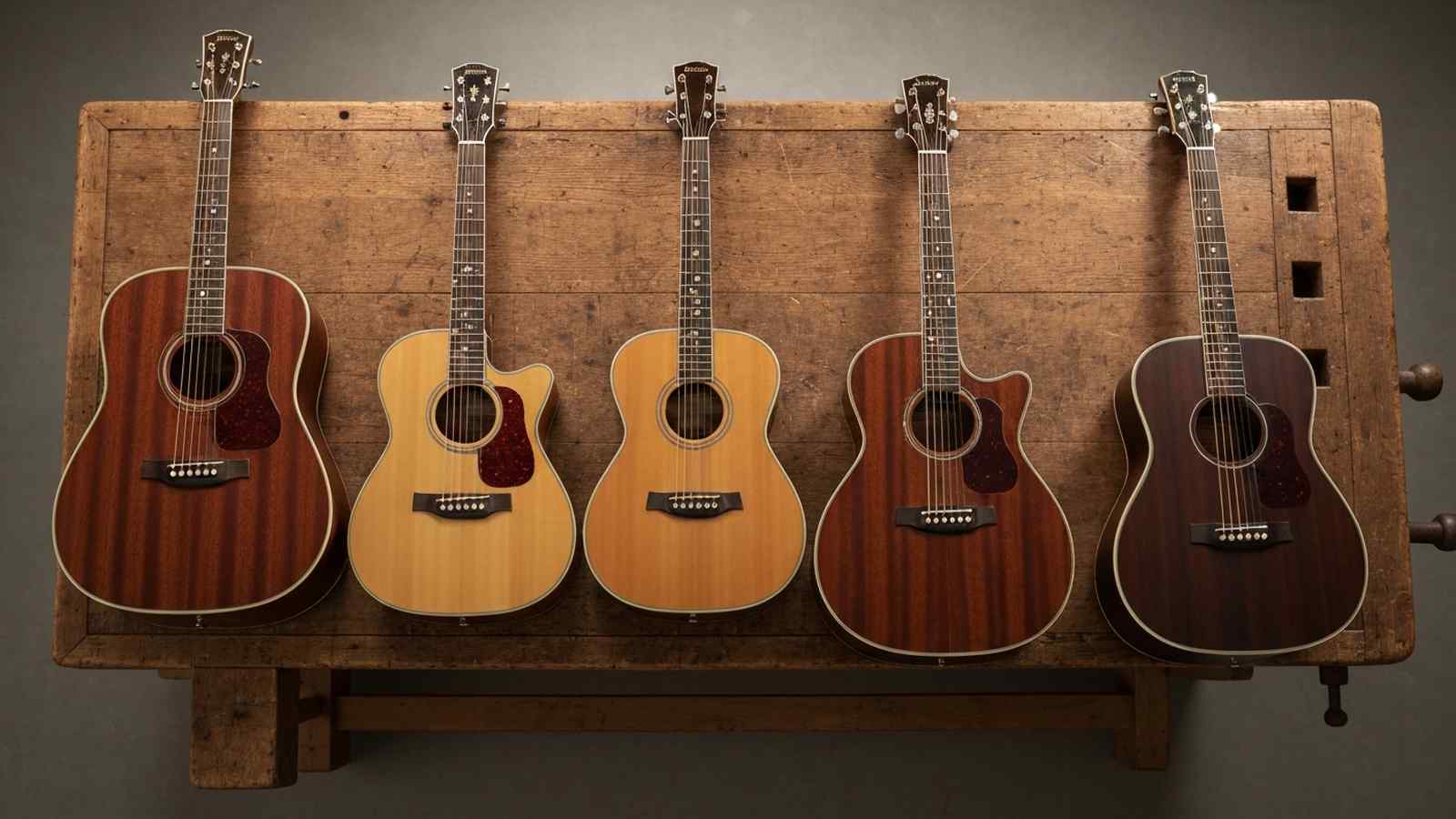
Fingerpicking punishes guitars that dreadnought strummers get away with. A stiff top, crowded string spacing, or a dead low-mid range that disappears when you pick gently rather than strum hard: all of these become obvious within 10 minutes of playing "Blackbird" or "Dust in the Wind." We compared more than a dozen sub-$1,000 acoustics for fingerstyle work, weighing spec sheets, demo recordings, and long-term owner reports against benchmarks like the Martin OM-28 and Taylor 814ce. Seven made the list below, starting at $399 for the Fender PM-2 Standard Parlor and topping out at $999 for the Martin 000-10E Road Series.
Top 7 for 2026
Fender PM-2 Standard Parlor
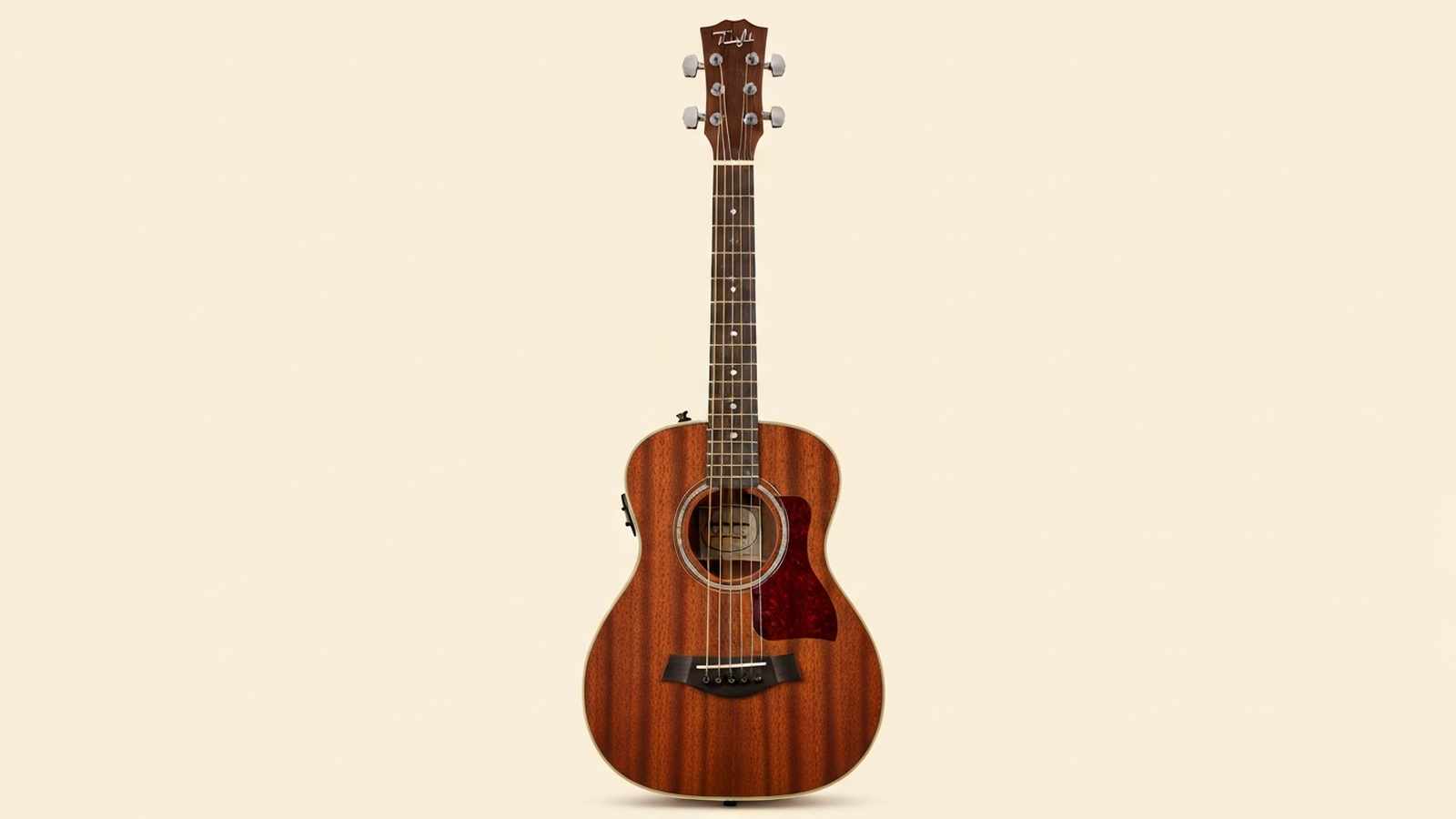
Fender's Paramount series has been a quiet favorite of fingerstyle players since 2016, and the PM-2 Standard Parlor is the best sub-$500 fingerpicker in current production. The 24.75-inch scale length puts less tension on the strings, which rewards a lighter right-hand touch. Solid Sitka spruce top with scalloped bracing gives you string separation you do not normally hear until the $700 mark. The weakness is the included Fishman pickup, which sounds usable but flat next to the better electronics on higher-priced models on this list.
Epiphone J-200 EC Studio Parlor
The J-200 EC Studio Parlor shrinks the iconic Gibson SJ-200 dimensions into a parlor-sized body that is perfect for Travis picking and country blues. The 25.5-inch scale length keeps string tension balanced for strong attack, while the mahogany back and sides give the low strings a dry thump that makes alternating bass lines stand out. Made in Qingdao, China, with quality control that has tightened considerably since the 2022 Gibson reorganization. A better buy than the old Epiphone parlors from five years ago.
Yamaha LL6 ARE
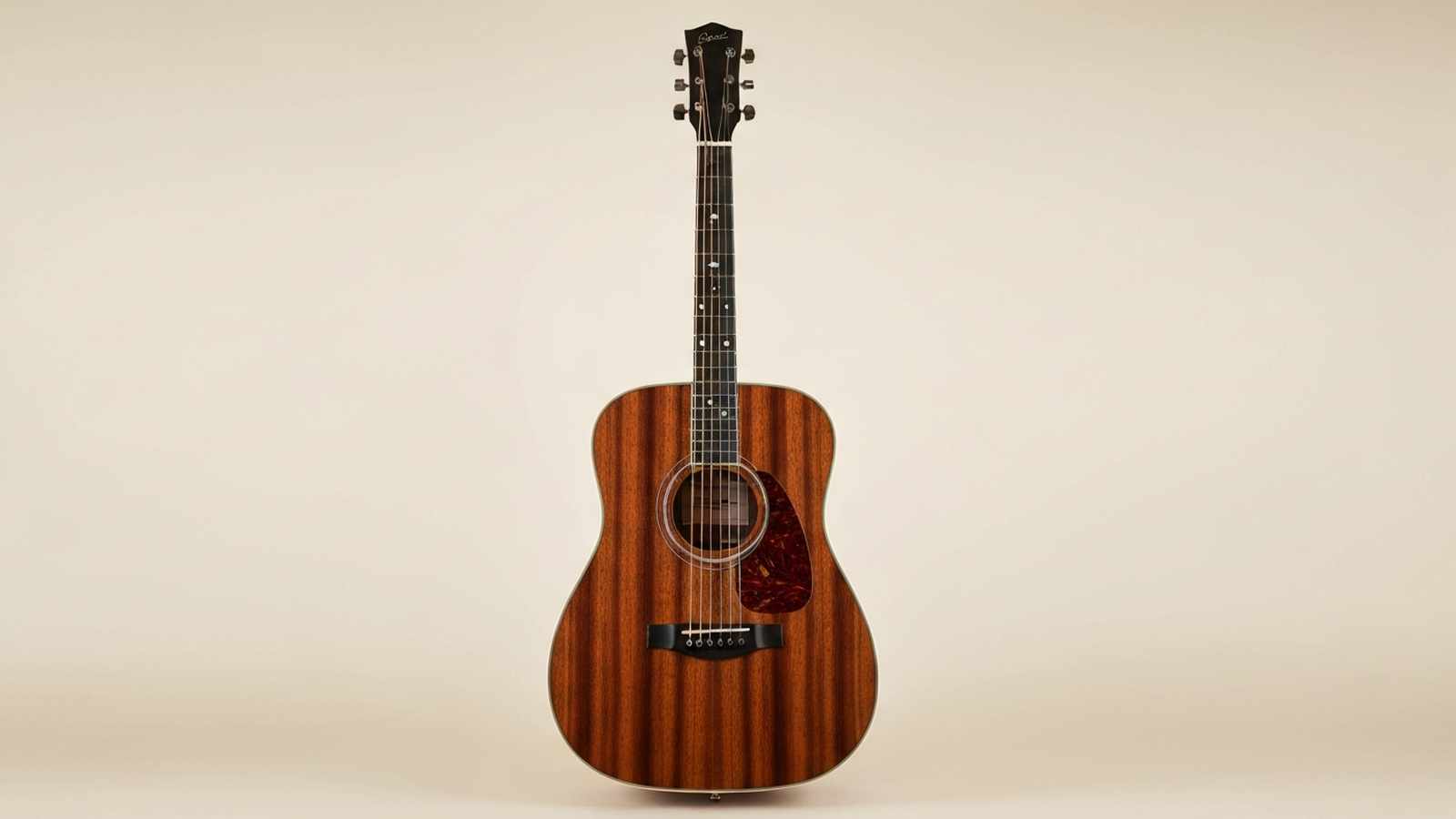
The L-series from Yamaha uses an original jumbo body shape that produces surprising clarity for fingerstyle. The ARE treatment (acoustic resonance enhancement) accelerates top wood aging through heat and humidity cycling, which gives new LL6 guitars a broken-in sound from day one. The 25.6-inch scale and 1.73-inch nut width feel comfortable for players coming from classical. A solid option for fingerpickers who want jumbo volume without the boominess of a Gibson J-200.
Seagull Maritime SWS Concert Hall
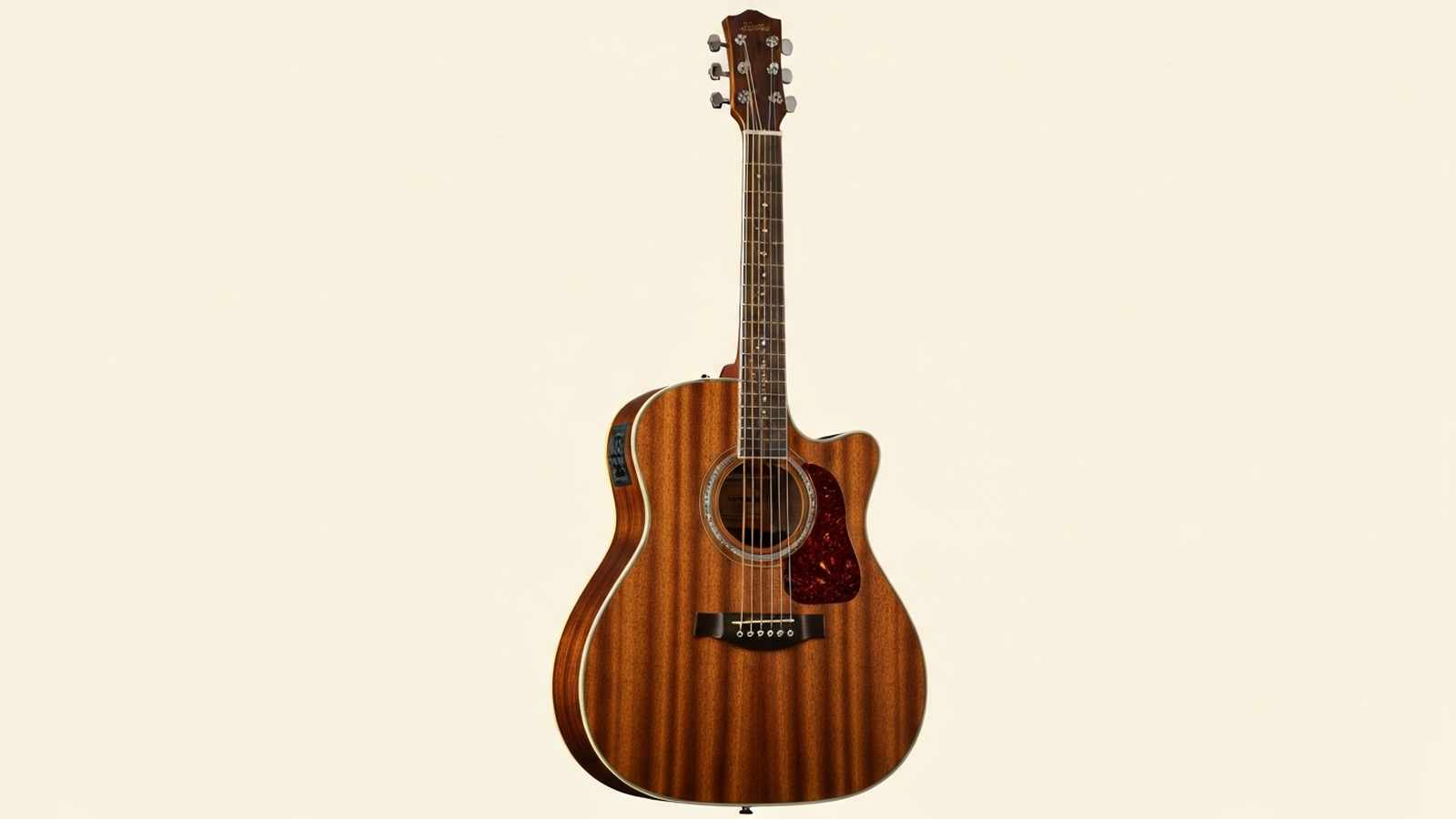
The Maritime SWS uses solid mahogany back and sides with a solid Sitka spruce top, all made in La Patrie, Quebec from wood sourced in North American forests. The concert hall body produces a focused midrange that lets individual fingerpicked notes breathe rather than overlap. Players who use it for daily Chet Atkins and Merle Travis study report string separation that holds up to the best $1,500 guitars on the market. Exceptional value for fingerstyle players.
Taylor 114ce
The 114ce has been Taylor's entry into the 100 series for years and it remains the cleanest-sounding sub-$1,000 Taylor for fingerstyle. The grand auditorium body shape balances low-end response against upper-register clarity, and the layered walnut back and sides give the voice a neutral character that records well. The built-in ES2 electronics are the same system used on Taylor's flagship models, which means you can plug in without the harsh piezo tone common in this price range.
Guild OM-240CE
The OM-240CE brings Guild's concert-sized orchestra model design to a sub-$900 price point, with arched laminate mahogany back and sides and a solid Sitka spruce top. The archback construction reduces internal standing waves, which tightens the bass response and improves note separation for contrapuntal fingerstyle. The 1.75-inch nut is on the wider side for this list, and small-handed players should demo before buying, but for players with average-to-large hands this is one of the most balanced fingerpickers under $1,000.
Martin 000-10E Road Series
The 000-10E is the cheapest Martin that genuinely sounds like a Martin. The solid sapele top and sapele back and sides produce a bright, punchy voice that responds beautifully to medium right-hand attack. The 14-fret 000 body size is the standard orchestra model that Martin has built since 1929, and owner reports consistently describe factory setups around 2.2mm action at the 12th fret without a single high fret. Fishman MX-T electronics give you clean plugged-in sound with a built-in tuner. The benchmark fingerpicker under $1,000.
What Makes an Acoustic Good for Fingerpicking
Fingerstyle demands four things from a guitar: string separation (so individual notes are audible in complex arrangements), balanced frequency response (so the bass line does not drown out the melody), responsive top wood (so a light right-hand attack still produces full tone), and proper string spacing at the bridge (typically 2.25 inches or wider to avoid crowding the picking fingers). A good strumming guitar can fail spectacularly on any of these.
The physical dimensions most predictive of fingerstyle performance are the body size and the bridge string spacing. Orchestra model and concert body sizes (about 15 inches wide at the lower bout) outperform dreadnoughts and jumbos for fingerstyle 90% of the time. Bridge string spacing of 2.25 to 2.375 inches gives picking fingers room to move cleanly between strings without the thumb bumping into the index on alternating bass patterns.
Why Top Wood Matters More Here
Fingerstyle rewards responsive top woods more than any other playing style. Solid Sitka spruce remains the reference standard for fingerpicking acoustics because its stiffness-to-weight ratio lets a light pluck translate into full projection. Solid cedar (like the one on the Seagull Maritime) responds even faster than spruce but has a slightly compressed dynamic ceiling, which limits how loud you can get before the top starts to choke. Mahogany tops split the difference with a dry, focused voice that suits Delta blues and Travis picking.
Laminate tops do not fingerpick well. Two laminate-top candidates in the $400-500 range were considered for this list, and demo recordings and owner reviews describe the same flat, muted response that makes individual plucked notes blur into each other. Neither made the cut. If you are shopping under $500 for fingerpicking, prioritize solid top construction over every other feature, including cutaway or electronics.
Setup Essentials for Fingerstyle
Action height matters more for fingerstyle than for strumming. We recommend 2.0-2.2mm at the 12th fret on the low E and 1.6-1.8mm on the high E for fingerpicking, measured with a machinist's rule. This is about 0.3mm lower than a typical strumming setup and gives the picking fingers less resistance. A qualified tech can dial this in during a standard setup ($50-80) without compromising any other aspect of playability.
String gauge matters too. Light gauge (.012-.053) or custom-light (.011-.052) works best for most fingerstyle. Extra-light strings (.010-.047) reduce string tension but also reduce tonal depth, which hurts complex arrangements. Mediums (.013-.056) are overkill and will fatigue fingerpicking muscles within 30 minutes. All seven guitars on this list benefit from custom-light strings once the factory set runs out.
Buying Strategy: Where to Spend and Where to Save
If you are brand new to fingerstyle, start with the Fender PM-2 Standard Parlor at $399 or the Epiphone J-200 EC Studio Parlor at $549. Both give you genuine fingerstyle-capable tone without the financial risk of committing to a higher-tier instrument before you know whether the style sticks. Plan to spend another $75-100 on a proper setup and a set of quality strings.
Intermediate players who have been fingerpicking for a year or more should jump straight to the Martin 000-10E or the Taylor 114ce. The tonal difference between the $399 PM-2 and the $999 Martin is dramatic, and the leap is hardest to justify for beginners but obvious for players who have developed a right-hand technique. The 000-10E is the only guitar on this list that long-term owners consistently say holds its own against $2,000 fingerpickers.
Frequently Asked Questions

Shmulik Dorinbaum
Working Musician · 20+ Years Songwriting & Performing · Hebrew Recording Artist
A 44-year-old working musician and father of two from Israel, writing and recording for over twenty years across country, folk and rock. Strum Avenue is where two decades of buying, breaking, setting up and arguing about acoustic guitars gets written down.
Raised on Chris Cornell, Brandon Boyd (Incubus), Eddie Vedder.