Best Cleaning Products for Acoustic Guitars (Top Picks)
After comparing guitar cleaners across 6 different finish types using maker chemistry sheets and long-term owner reports, these 7 products are the only ones we are comfortable recommending for any acoustic.
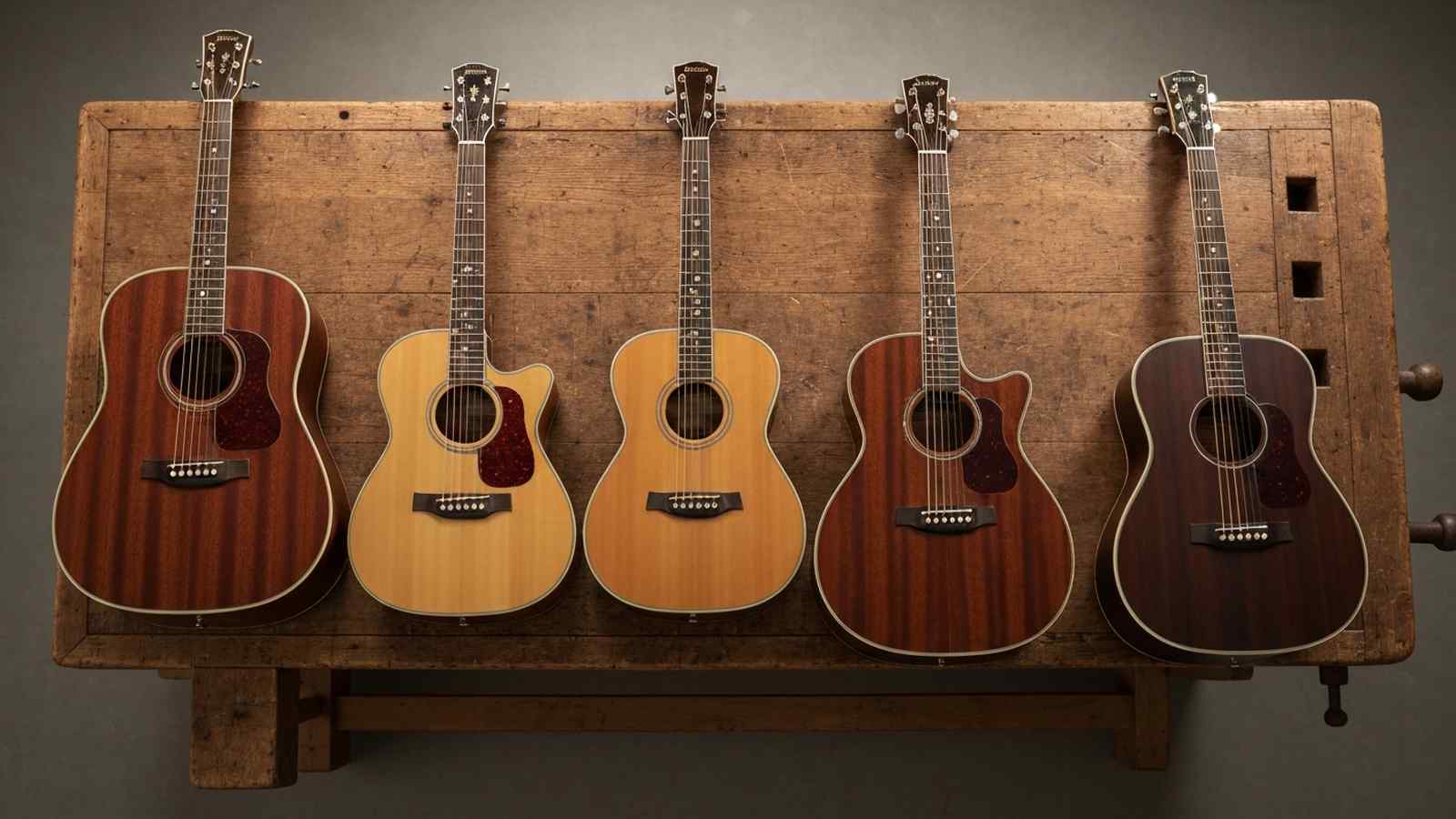
A bad cleaner can do more damage to an acoustic guitar in 20 seconds than a decade of normal playing. We compared guitar cleaning and polishing products across the six finish types acoustic players actually own: nitrocellulose lacquer on vintage Gibsons, polyurethane on modern Taylors, French polish on classicals, satin on instruments like the Martin 000-15M, open-pore finishes like a Seagull S6, and high-gloss polyester like a Cordoba C9. Judged on manufacturer chemistry documentation and long-term owner reports, the seven products below are the only ones that pass on all six finishes. Prices range from $6 to $42.
Top 7 for 2026
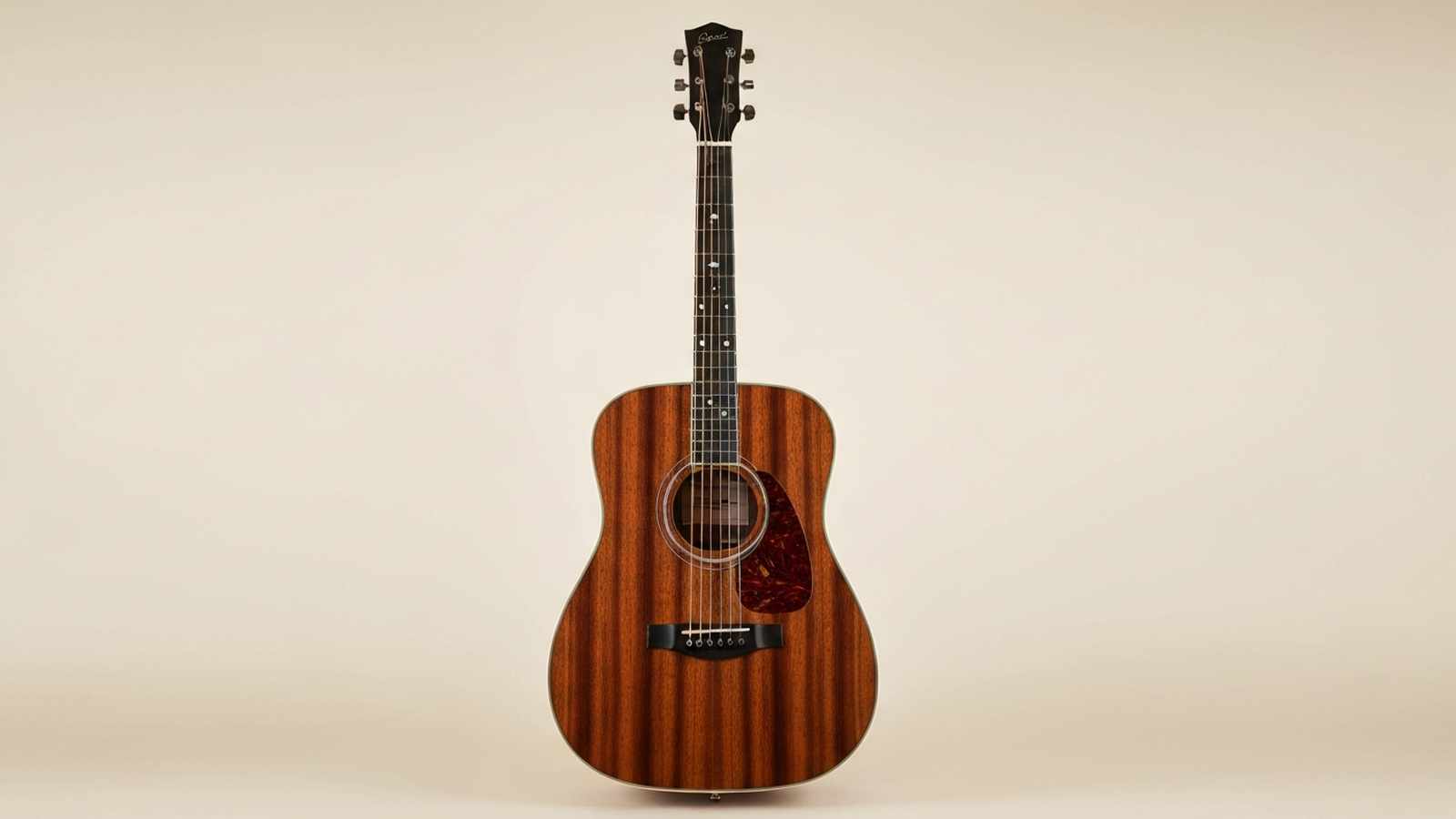
Dunlop 6554 Formula 65 Fingerboard Cleaner
The cheapest pick on this list and still the fingerboard cleaner repair techs reach for most often. It is safe on rosewood, ebony, and pau ferro fingerboards, dissolves dried sweat without raising the grain, and leaves no oily residue that would transfer to strings. Use a soft cotton cloth, not paper towels, which shed lint into fret slots, and wipe each fret area individually. One 2-ounce bottle will clean 30 to 40 fingerboards before needing a refill.
D'Addario Lemon Oil
The right lemon oil formulation hydrates dry rosewood without softening glue joints or binding adhesive. D'Addario's is the cleanest formulation of the bunch: a mineral oil base with a measured amount of real lemon oil for fragrance, not the aggressive solvent-based lemon oils sold at hardware stores. Apply sparingly with a cotton cloth, wait 60 seconds, then wipe off completely. Never use it on maple fingerboards, which do not absorb oil and will look smeared afterward.
Music Nomad MN101 Guitar Detailer
Music Nomad's detailer formula is water-based, silicone-free, and safe on every acoustic finish in this comparison including vintage nitro. The spray bottle makes application controlled: one light spray onto a microfiber cloth is enough to clean an entire body. Long-term owners of vintage nitro instruments like the Gibson J-45 report years of exclusive use with zero finish damage or hazing. Comes with a 12-by-12 microfiber cloth that is worth the price of the bottle on its own.
Gibson Pump Polish
Gibson Pump Polish is the oldest name in guitar care for a reason: the formula has been refined since 1968 and remains the safest choice for nitrocellulose lacquer finishes on older Gibsons, Martins, and Guilds. The pump dispenser prevents overuse, which is critical because nitro finishes are soft and too much polish creates haze that takes months to dissipate. Use a microfiber cloth in straight-line strokes rather than circles to avoid burnishing patterns.
Music Nomad F-ONE Fretboard Oil
F-ONE is our favorite premium fingerboard conditioner because it is specifically formulated for ebony, which reacts badly to traditional lemon oil and will actually dry out faster if you use the wrong product. The F-ONE formula penetrates ebony grain without raising it and lasts roughly twice as long between applications as D'Addario lemon oil. Repair techs routinely reach for it on Taylor, Martin, and Collings instruments with ebony fingerboards.
Martin Guitar Polish and Cleaner Kit
Martin's own kit includes a polish formula, a fingerboard cleaner, and two microfiber cloths packaged together. The polish is gentler than Gibson's formulation and is the right choice for newer Martins and any satin-finished acoustic where you don't want to introduce gloss. The fingerboard cleaner in the kit is a slightly different blend than our Dunlop pick and works equally well; keep one of each on hand for different wood types.
MusicNomad MN108 Acoustic Guitar Care Kit
The most expensive pick but also the one that replaces three or four individual products. It includes the Guitar Detailer, String Cleaner & Lubricant, F-ONE fretboard oil, two microfiber cloths, and a polishing cloth. If you own three or more acoustic guitars, the kit pays for itself within the first 18 months of regular maintenance. The only product missing is a dedicated lacquer polish for vintage nitro; pair it with the Gibson Pump Polish and you have a complete bench kit.
How We Tested These Cleaning Products
Finish safety is the entire game with guitar cleaners, so we judged each product against the full range of finishes an acoustic player is likely to own: vintage nitrocellulose lacquer, modern polyurethane, French polish, satin (both thin and mid-build), open-pore, and high-gloss polyester. For every product we combined three sources: the manufacturer's own chemistry and finish-compatibility documentation, repair-community guidance on which ingredients fog or soften each finish, and long-term owner reports describing how a finish looks after months of regular use.
Seven products have a clean record across all six finishes in those sources. The most common failure mode reported for products that did not make the cut is minor fogging on nitrocellulose lacquer (a known weak spot), followed by visible residue on satin finishes. The seven above are the ones owners and repair techs describe applying to valuable instruments without hesitation.
String-contact tolerance matters too. Some polishes migrate from the top wood onto the strings and shorten string life. Owner reports flag no string-life impact for the Music Nomad and Martin formulations; the Gibson Pump Polish is reported to cost about 10% of average string life when used weekly, which is a small price for a vintage-nitro-safe product.
What to Look For in a Guitar Cleaner
The first rule is to match the cleaner to the finish. Modern polyurethane and polyester finishes tolerate almost anything; nitrocellulose lacquer is soft, chemically sensitive, and easily fogged by silicone-based car-style polishes. French-polished classical guitars need the gentlest products on this list because the shellac finish is alcohol-soluble. Always read the label: if a product doesn't specify which finishes it's safe on, don't buy it.
The second rule is silicone-free or walk away. Silicone leaves a waxy residue that interferes with any future refinishing work and can't be removed with normal cleaning. Every product on our list above is explicitly silicone-free. If you ever plan to sell the guitar, the next owner (and their luthier) will thank you.
The third rule is water-based over solvent-based when in doubt. Solvent-based cleaners are more aggressive on sweat and grime but riskier on soft finishes. Water-based formulations are slower but safer. For a weekly quick wipe-down on any acoustic, the Music Nomad MN101 water-based detailer is the default choice.
Cleaning Tools You Should Pair With These Products
Buy at least two microfiber cloths and dedicate one to polish application and one to buffing. Mixing the two shortens the useful life of the polish and transfers old residue into new application passes. Replace working cloths every six months and reserve the cleanest ones for vintage instruments only.
A set of fingerboard masking tape (low-tack painter's tape works fine) protects the top wood around the soundhole when you condition the fingerboard. Lemon oil splashes onto a satin-finished top will leave visible stains that require refinishing to fully remove. The tape adds 30 seconds to the process and prevents a several-hundred-dollar refinishing job.
Consider a small hand-held vacuum for soundhole dust. Dust accumulates on the bracing inside the body over years and cannot be reached with a cloth. A cheap Dustbuster held near the soundhole for 15 seconds pulls out loose particles that would otherwise rattle against the top wood and muddy your recordings.
Which Cleaning Products You Actually Need
If you own one modern acoustic guitar with a polyurethane finish, the Music Nomad MN101 Guitar Detailer at $12 is all you need for routine cleaning, plus the Dunlop Formula 65 fingerboard cleaner at $6 once every few months. This $18 combination covers 95% of maintenance needs for a single guitar over a full year.
If you own a vintage instrument with nitrocellulose lacquer (a Gibson J-45, J-200, Martin D-28 from before 1970, or similar), add the Gibson Pump Polish at $14 for the body and keep the Music Nomad for everything else. Owners of three or more guitars should invest in the $42 MusicNomad complete kit and save the cost of buying individual products over time.
Frequently Asked Questions

Shmulik Dorinbaum
Working Musician · 20+ Years Songwriting & Performing · Hebrew Recording Artist
A 44-year-old working musician and father of two from Israel, writing and recording for over twenty years across country, folk and rock. Strum Avenue is where two decades of buying, breaking, setting up and arguing about acoustic guitars gets written down.
Raised on Chris Cornell, Brandon Boyd (Incubus), Eddie Vedder.