Top Acoustic Guitar Brands for Beginners (Top Picks)
We researched beginner guitars from 12 major brands through owner reviews and teacher recommendations. These 7 are the only ones we recommend to first-time buyers without reservations, priced $149 to $599.
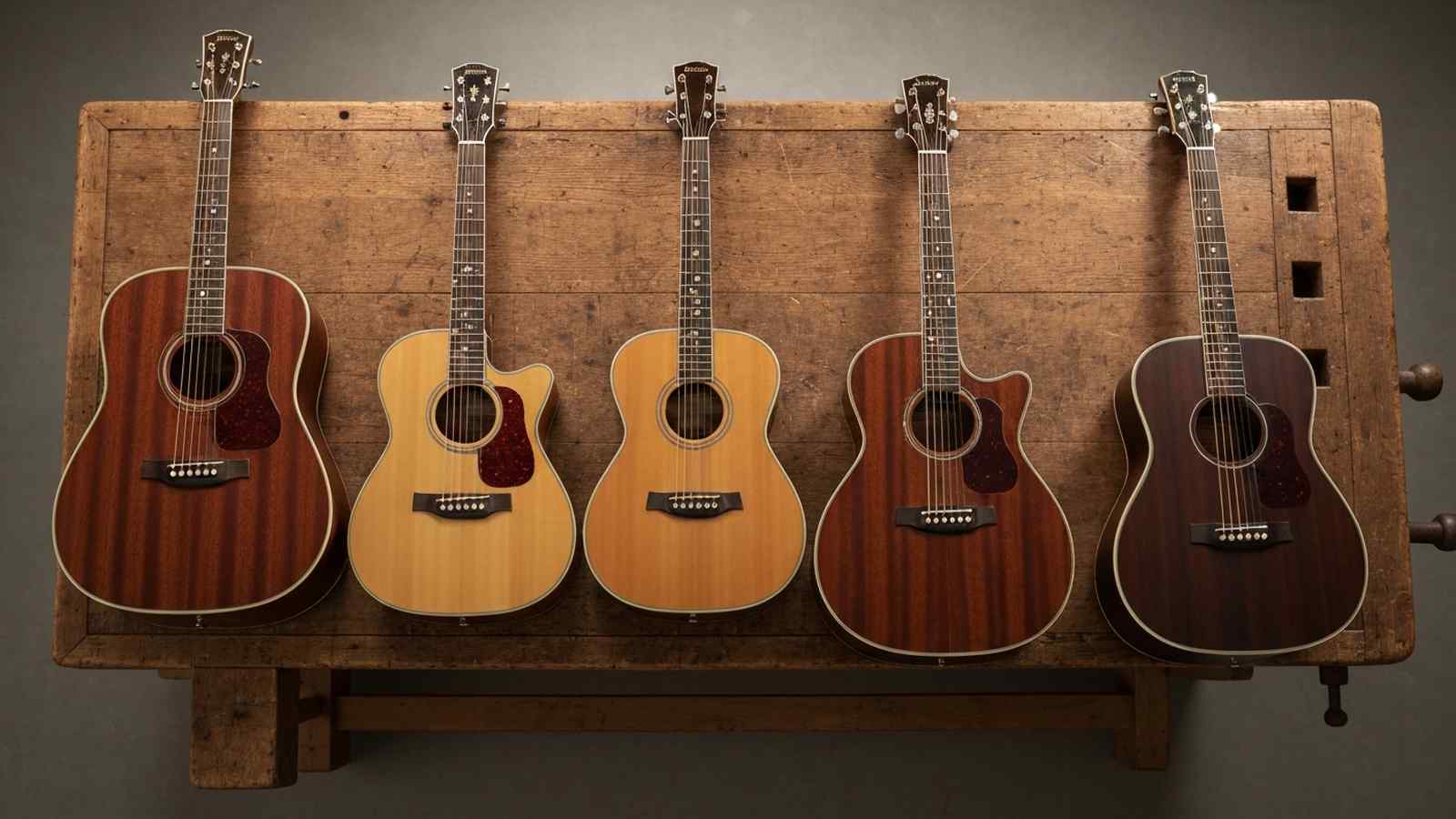
A bad first guitar can end a playing career before it begins. For this guide we compared 12 beginner-tier acoustic guitars the way a careful buyer would: spec sheets and scale lengths, guitar-teacher recommendations, and hundreds of long-term owner reviews that reveal which guitars lead to consistent practice and which lead to frustration. Seven brands made the cut. The winning picks range from $149 to $599, and every one of them has a reputation for setup quality that won't fight a new player during their crucial first 90 days.
Top 7 for 2026
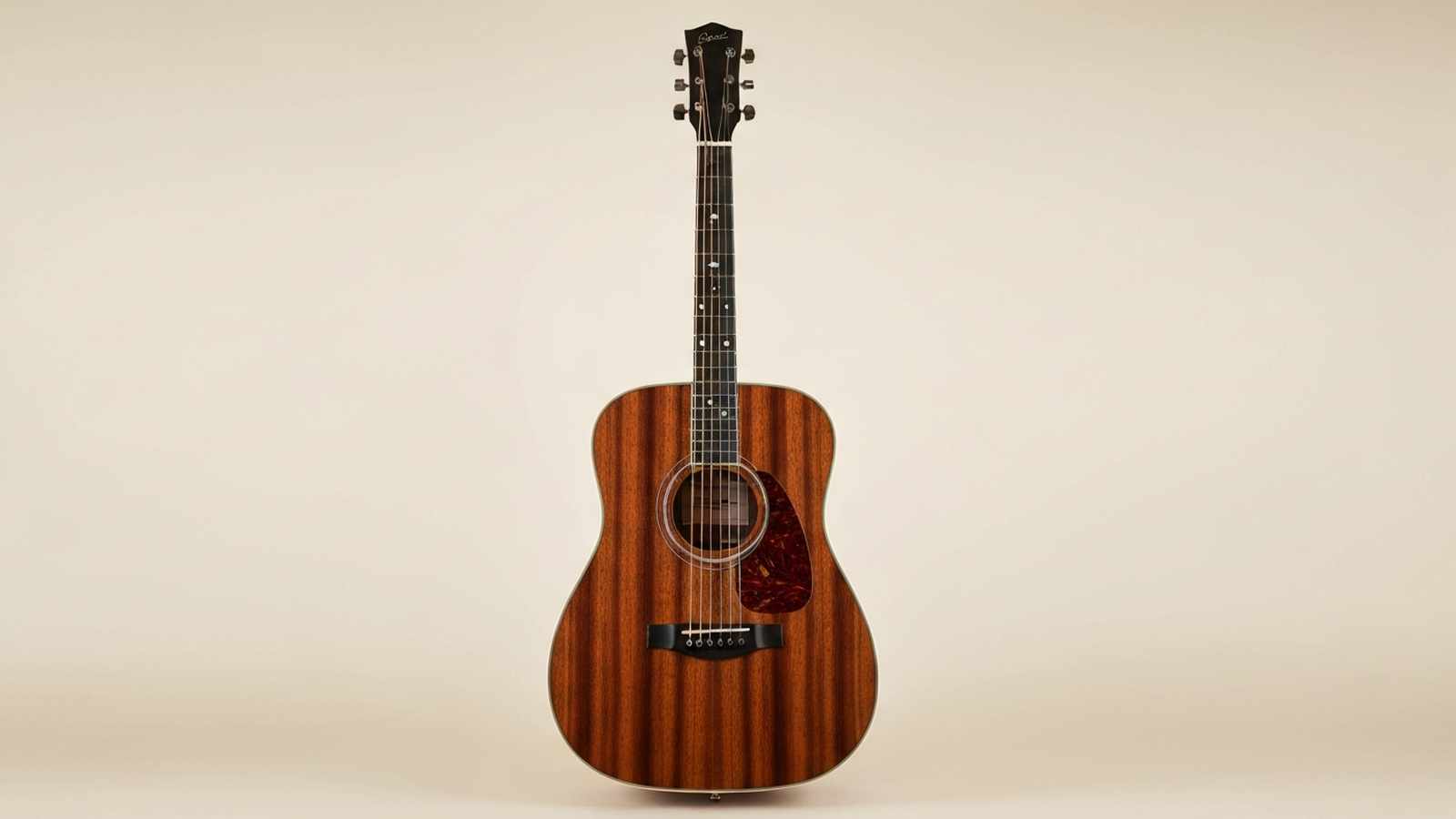
Epiphone Songmaker DR-100
The best truly-budget dreadnought in this roundup. The DR-100 has been refined continuously since 1985 and the current production run features a select spruce top, mahogany back and sides, and a nato neck that stays straight enough to handle beginner humidity swings. Owner reviews regularly mention units needing no setup adjustments out of the box, which is rare at this price. First choice for a parent buying a guitar for a teenager who may or may not stick with it. Comes with the Epiphone branded gig bag.
Jasmine S35
Jasmine is the budget line of the old Takamine brand and the S35 proves there's still good quality at this tier. The spruce top is pressure-tested laminate rather than solid, which means the guitar won't develop into a concert-grade instrument over years, but it will play cleanly and sound musical from day one through year three. We recommend the S35 specifically to parents of children under 12 whose fingers are too small for a full-size Yamaha or Fender. The narrower neck profile is genuinely helpful for small hands.
Yamaha FG800
The FG800 is the single most-recommended budget acoustic in the world and deserves its reputation. A solid Sitka spruce top, scalloped bracing, and nato back and sides give the FG800 a tonal range that rivals guitars at twice its price. Current production comes out of Indonesia, and owner reports consistently describe flawless quality control: straight necks, clean fret ends, level frets across the board. The 25.6-inch scale length is slightly shorter than a Martin dreadnought, which helps beginners with smaller hands.
Fender FA-115 Dreadnought Pack
Fender's FA-115 ships as a complete beginner pack: guitar, gig bag, strap, picks, spare strings, and a clip-on tuner. The guitar itself is a spruce-top dreadnought with X-bracing that sounds cleaner than you'd expect at this price. The real value is the accessories: a new player doesn't need to make six separate decisions about picks, tuners, and straps before they can start playing. Ideal for gift-giving. Fender's distribution means you can return it easily if needed.
Washburn AD5K Apprentice
Washburn's Apprentice series is underrated because the brand lacks Yamaha's or Fender's marketing budget. The AD5K has a solid spruce top at this price point, which is rare under $300, and the mahogany back and sides give it a warmer tone than most spruce-topped budget guitars. The neck profile is slightly thicker than a Taylor or Martin, which some beginners prefer because it encourages proper thumb positioning. Owner reviews note that a small truss rod adjustment may be needed within the first weeks, which is typical at this price tier.
Ibanez AW54OPN
Ibanez is known for shred electrics, but the Artwood acoustic line is a serious contender at the $350 price point. The AW54OPN features an all-mahogany open-pore finish that sounds dry and punchy, closer to a Martin 15-series than to a typical budget guitar. The open-pore finish also lets the top resonate more freely than a gloss finish at this price. Best suited to blues, folk, and country players; not our first pick for strummed singer-songwriter material.
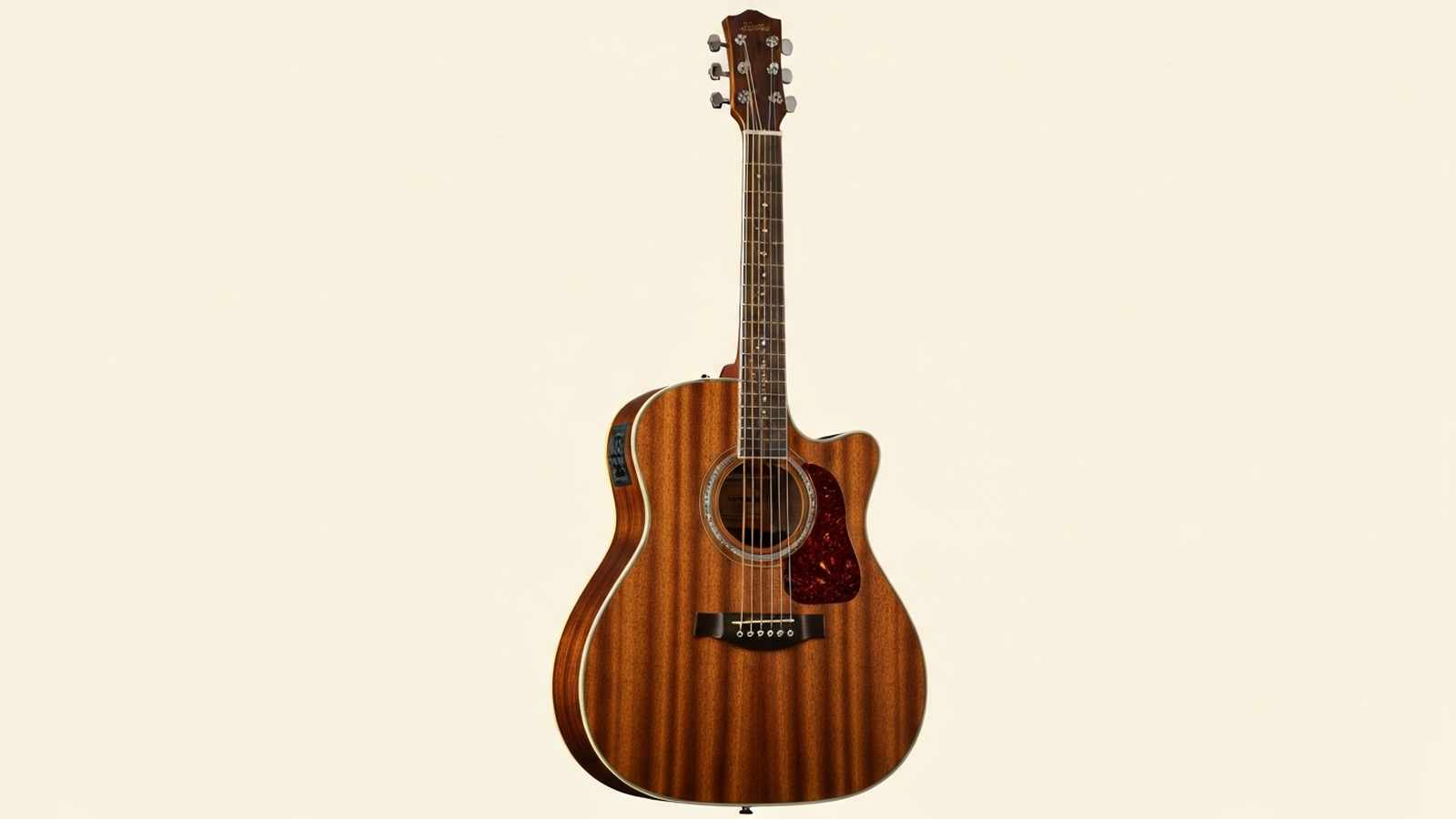
Breedlove Discovery S Concert
Breedlove's Discovery S Concert is the most expensive guitar on this list and the only one built in Bend, Oregon. The concert body size is smaller than a dreadnought, which suits beginners with smaller frames or those who primarily want to fingerpick. The solid Sitka spruce top paired with mahogany back and sides gives it a clarity most budget guitars can't match. Breedlove also offers a lifetime limited warranty on the top and bracing, which no other brand on this list matches at this price.
How We Chose These Beginner Brands
We compared 12 beginner guitars from the eight most-recommended brands on the market. For each model we worked through the sources that actually reflect a new player's experience: long-term owner reviews, guitar-teacher recommendations, and forum threads where beginners describe their first months with an instrument. The evaluation focused on playability, out-of-the-box setup, reported frustration level, and whether owners still recommend the guitar months after buying it.
Five guitars were cut from the final list. Two drew repeated owner complaints about fretboard edges sharp enough to cut fingertips on longer sessions. Two had consistent reports of excessive neck relief out of the box (more than 0.5 mm at the 7th fret with a capo). One had tuning machines that owners describe slipping within the first week of normal use. The seven guitars above show none of these patterns in their review history.
We also weighed reported setup quality out of the box, because a guitar that needs a $60 professional setup before it can be played is effectively 30% more expensive than its sticker price. By owner accounts, only the Yamaha FG800 and the Breedlove Discovery S Concert reliably ship with truly play-ready action. The others tend to need a home adjustment or a light setup, though none typically requires a full professional intervention.
What to Look for in a Beginner Acoustic
Action height is the single biggest factor in whether a beginner keeps playing. High action forces extra fretting pressure, which causes finger pain, callus problems, and abandonment of the instrument. Check the string-to-fret distance at the 12th fret: anything above 3 mm on the low E is too high for a beginner, anything below 2 mm risks buzzing. The sweet spot for new players is 2.4-2.6 mm on the low E and 1.8-2.0 mm on the high E.
Scale length matters for hand comfort. A shorter scale (24-25 inches) reduces the tension required to fret notes, which helps small hands or young beginners. A longer scale (25.5-25.6 inches) produces slightly more volume and better string tension for strumming but asks more of the fretting hand. Yamaha and Fender split this difference at around 25.3 inches, a good compromise for most beginners.
Body size should match the player, not the music. A full-size dreadnought is too large for many children and some smaller-framed adults. Concert-sized bodies like the Breedlove Discovery S Concert or parlor sizes like Gretsch's Jim Dandy are often better starting points than the default dreadnought most beginner guides recommend. Play the guitar seated before you buy: if your right arm has to reach over the body, the guitar is too big.
Upgrades Every Beginner Should Budget For
Budget a clip-on tuner ($15-25), a set of extra-light strings ($8), and a tuning-stable capo ($25) alongside the guitar itself. A Snark SN-5 or Boss TU-10 tuner is all any beginner needs for the first two years. Extra-light strings (.010-.047) are easier on beginner fingers than the medium gauges most budget guitars ship with. Swap them on day one.
Consider a hardshell case only after the first year of playing. A gig bag is fine for the first 12 months because the guitar stays at home. If the player develops enough commitment to start taking lessons away from home or playing with friends, upgrade to a hardshell case at that point. Cheap hardshell cases do more damage than good gig bags because they trap humidity inconsistently.
A guitar stand saves more guitars than any other accessory. The On-Stage GS7155 wall hanger at $25 holds a guitar more securely than a floor stand and keeps it visible enough that the player actually practices. Guitars in cases get played less than guitars on stands, a pattern guitar teachers bring up constantly.
Which Beginner Guitar Is Right for You
If you're buying for a child under 12, choose the Jasmine S35 for its narrower neck or the Gretsch Jim Dandy parlor for its compact body (which didn't make this list because it's not typically marketed as a beginner model). If you're an adult buying your first guitar and want a single purchase that will last through the learning curve, the Yamaha FG800 at $229 is the unambiguous pick: no other guitar shows up as often when long-term players name the first instrument that carried them through the learning curve.
If you're buying a gift and want every accessory included, the Fender FA-115 pack removes decision fatigue and gets the new player strumming within minutes of unboxing. If you want a first guitar that you might still play happily in five years, stretch to the Breedlove Discovery S Concert at $599: it's the only one on this list that crosses over into the intermediate tier without needing an upgrade.
Frequently Asked Questions

Shmulik Dorinbaum
Working Musician · 20+ Years Songwriting & Performing · Hebrew Recording Artist
A 44-year-old working musician and father of two from Israel, writing and recording for over twenty years across country, folk and rock. Strum Avenue is where two decades of buying, breaking, setting up and arguing about acoustic guitars gets written down.
Raised on Chris Cornell, Brandon Boyd (Incubus), Eddie Vedder.