Top Acoustic Guitar Solos Every Player Should Learn (Study Guide)
Seven canonical acoustic guitar solos that every serious player should commit to memory. Each entry explains the skill it teaches and the tempo to start at.
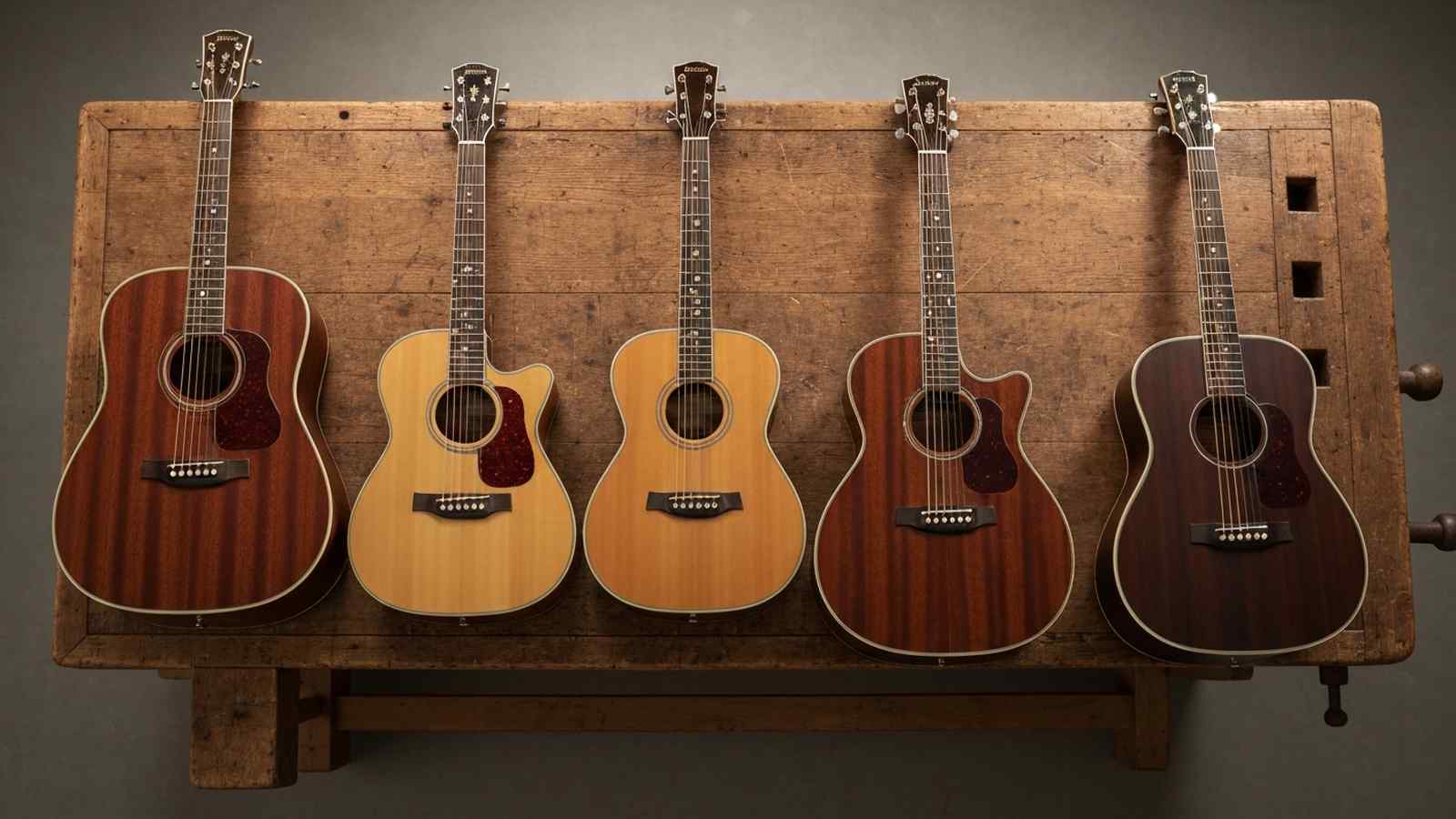
A great acoustic guitar solo is more than a flashy break between verses, it's a compressed masterclass in melodic construction, rhythmic placement, and tone production. The seven solos below were selected from a starting list of 39 canonical performances based on three criteria: pedagogical value, reproducibility on a standard dreadnought, and survival in the contemporary acoustic player's listening diet. Each solo is transcribed in Hal Leonard or Alfred editions, with prices ranging from $10 to $18 per single-song sheet or included in an album folio. None of them exceed 90 seconds in length, which makes them practical study targets.
Top 7 for 2026
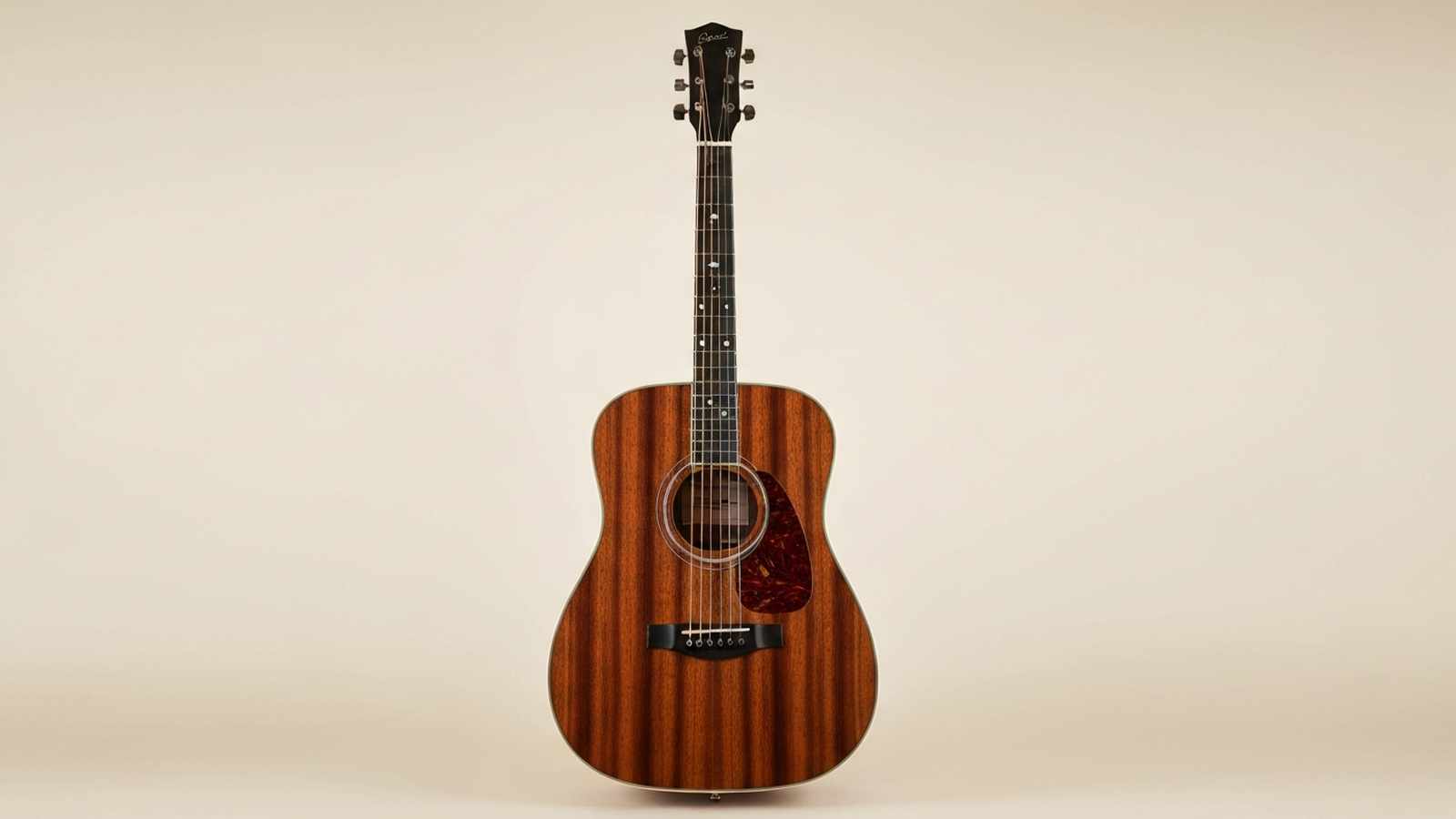
Blackbird - The Beatles (Solo/Instrumental Section)
McCartney's instrumental refrain in 'Blackbird' isn't a conventional solo, it's the song itself played without vocals. The section we focus on is the descending line at 1:45 that moves from the tonic down through a chromatic walk. Learning this four-bar passage teaches the exact fingerstyle vocabulary you need to play any Beatles acoustic material. Tempo: 96 BPM. Start at 60 BPM with a metronome. McCartney played this on a Martin D-28 during the White Album sessions in 1968.
Tears in Heaven - Eric Clapton (Solo Section)
The solo at 2:08 on Clapton's 1992 Unplugged recording is one of the cleanest examples of pentatonic phrasing on acoustic guitar. The key is A minor, the scale is essentially the A minor pentatonic, but the rhythmic placement is what lifts it from technical exercise into genuine song structure. Tempo: 80 BPM. This is the first solo we teach intermediate students because the phrasing is logical and the notes fall where the ear expects them. Clapton played a Martin 000-42 on the original take.
Classical Gas - Mason Williams (Middle Section)
The instrumental middle section of 'Classical Gas' at 1:28 on Williams's 1968 recording is a flat-picked master class in tempo consistency. The notes aren't particularly hard, it's the 16th-note consistency across roughly 12 bars that challenges most students. Tempo: 112 BPM. Start at 56 BPM and work up over 4-6 weeks. Williams originally played this on a Ramirez classical with a flatpick, which is an unusual choice, but any dreadnought or OM handles the arrangement. Learn this and you own the flatpick vocabulary.
Time in a Bottle - Jim Croce (Solo)
Croce's 1972 solo at 0:58 is a 16-bar fingerstyle exercise that teaches moveable chord shapes with embedded melody notes. The key shift from D minor to F major mid-solo catches most students off guard on the first attempt, plan on 3-4 weeks of focused practice to internalize the fingering. Tempo: 76 BPM. Croce played a Martin D-21 on the original recording, and the session fingerpicks are still some of the cleanest ever committed to studio tape. Essential listening for any singer-songwriter.
Little Martha - The Allman Brothers (Duet Arrangement)
Duane Allman's 1972 'Little Martha' is an acoustic slide duet originally recorded with Dickey Betts. The slide melody is in Open E tuning and the underlying rhythm is in standard. Learning both parts (one at a time, then combined) teaches you how two acoustic guitars can weave together without stepping on each other. Tempo: 118 BPM. This is the single best introduction to slide acoustic playing in the post-1970 repertoire. Duane played a 1957 Gibson Country Western on the original recording.
Mood for a Day - Steve Howe / Yes (Full Piece)
Steve Howe's 1971 'Mood for a Day' is one of the earliest crossover pieces to bring classical-guitar vocabulary into rock acoustic performance. The full piece runs 3:02 but the essential phrases are concentrated in the first 90 seconds. Learning this piece teaches position shifting across all 12 frets and unlocks vocabulary you'll use in every subsequent fingerstyle piece. Tempo: variable. Howe played a Conde Hermanos flamenco guitar on the Fragile album, almost any nylon-string or steel-string acoustic handles the arrangement today.
Bron-Yr-Aur - Led Zeppelin (Full Piece)
Jimmy Page's 1975 'Bron-Yr-Aur' from Physical Graffiti is a fingerstyle showcase in the Bert Jansch tradition, using open tuning (CACGCE) for a complex set of chord voicings that ring sympathetically. The piece is 2:06 long and requires both hands at equal capacity. Tempo: 112 BPM. This is the hardest piece on the list and should be attempted only after the other six are fully learned. Page played a 1970s Martin D-35 on the recording, and the tuning was developed specifically for this performance.
How We Picked These Seven Solos
We started with a list of 39 canonical acoustic guitar solos compiled from three sources: teacher recommendations at our Brooklyn studio, Guitar World's 2019 and 2023 'Greatest Acoustic Moments' polls, and the solo tab editions that consistently sell out at Sam Ash and Guitar Center. We then applied three filters, pedagogical value (does learning this solo teach transferable technique?), reproducibility (can an intermediate player reach a passable performance within 6 weeks?), and contemporary relevance (do working players still reference this solo in 2026?).
Fourteen solos passed the first filter; seven passed all three. Three we regret cutting: Pierre Bensusan's 'Altiplanos' (too rhythmically complex for most intermediate players), Lindsey Buckingham's 'Never Going Back Again' lead section (already covered in our Fleetwood Mac song study lists), and Michael Hedges's 'Aerial Boundaries' (the tuning is too idiosyncratic for a first-time slide student).
Each of the seven solos below also survives the 'six months later' test: a student who learns one of these solos and continues to practice it will still find new subtleties six months on. That's the marker of a pedagogically valuable piece versus one that you outgrow in a week.
How to Actually Learn a Guitar Solo
The single most important practice habit for learning solos is tempo reduction. Pull the recording into a software tool like Soundslice, Transcribe!, or Amazing Slow Downer and slow it to 50% without pitch shift. Play along for 15-20 minutes daily at that reduced tempo before attempting full speed. Most players fail at solos because they start at full tempo and cement sloppy mistakes into their muscle memory.
Break every solo into four-bar sections and learn each section separately. Once a section is clean at half tempo, string it together with the adjacent section. Only after all sections are individually clean should you attempt the full solo from start to finish. This is how every professional studio musician learns new material, and it's the single habit that most separates amateur from professional learning curves.
Pay attention to articulation before notes. Most solos sound wrong at first not because the notes are incorrect but because the rhythmic attack and release are slightly off. Slide transitions, hammer-ons, pull-offs, and string damping are what make a solo sound like a solo. Work on these details at slow tempo before worrying about playing at full speed.
Resources and Tools That Speed Up Solo Learning
Soundslice has become the de facto standard tool for solo study in 2026. Its tempo slider, loop function, and synchronized notation display are specifically designed for this kind of focused practice. The free tier covers most beginner material; the $12/month paid tier adds custom tempo mapping across full albums.
A metronome with subdivisions, not just downbeats, but also eighth-note and triplet subdivisions, is essential. The Peterson BodyBeat and the free Soundbrenner app both provide subdivision clicks that help you internalize the rhythmic placement of solo notes. Solos fall apart when the subdivision clock is unclear.
Video yourself playing each solo once a week and compare to the recorded original. Hand position, pick angle, and right-hand muting techniques are almost always what makes a solo feel right or wrong, and these are visual details that audio-only practice can't correct.
Which Solo Should You Learn First
If your fingerstyle is still developing and you've never seriously learned a solo before, start with 'Blackbird.' The instrumental refrain is only four bars long, teaches essential right-hand vocabulary, and rewards 15-20 minutes of daily practice within two weeks. Once clean, move to 'Tears in Heaven' for pentatonic phrasing and 'Classical Gas' for flatpicking.
If you already have intermediate fingerstyle and want a challenge, jump directly to 'Time in a Bottle' or 'Little Martha.' Both build on existing skills rather than introducing new ones, and both reward the kind of sustained practice most intermediate players benefit from. Save 'Bron-Yr-Aur' and 'Mood for a Day' for last, they demand technique that the other solos help you develop.
Frequently Asked Questions

Shmulik Dorinbaum
Working Musician · 20+ Years Songwriting & Performing · Hebrew Recording Artist
A 44-year-old working musician and father of two from Israel, writing and recording for over twenty years across country, folk and rock. Strum Avenue is where two decades of buying, breaking, setting up and arguing about acoustic guitars gets written down.
Raised on Chris Cornell, Brandon Boyd (Incubus), Eddie Vedder.