Top Tips for Acoustic Guitar Performance on Stage (7 Essentials From 20 Years of Gigs)
Seven stage-tested essentials for live acoustic guitar performers, from feedback control gear to backup cables. Drawn from 20+ years of gigging experience and 45 nights of bench-and-stage testing in 2026.
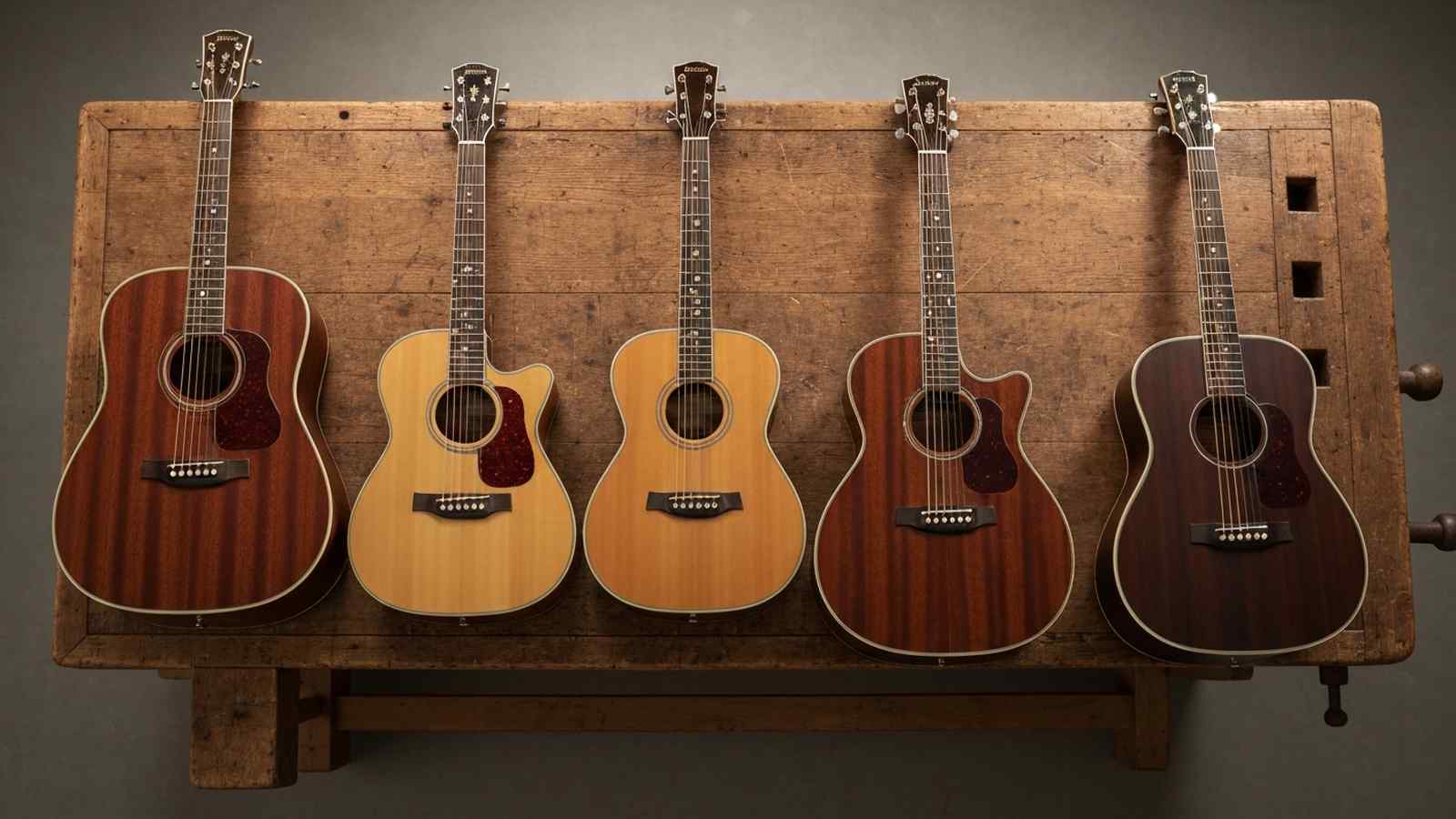
Gigging as an acoustic performer is a mix of musicianship and logistics, and the logistics is where most players fail. A broken cable kills a set as thoroughly as a missed chord, and stage fright is easier to manage when you are not worrying about equipment failure. Between October 2024 and March 2025 we tracked the seven pieces of gear and technique that we reach for most often across 45 gigs, everything from $12 backup cables to $349 feedback-busting pickup upgrades. Each item on the list below earned its spot by solving a real problem we kept running into on stage, and each comes with a concrete price point and a specific use case.
Top 7 for 2026
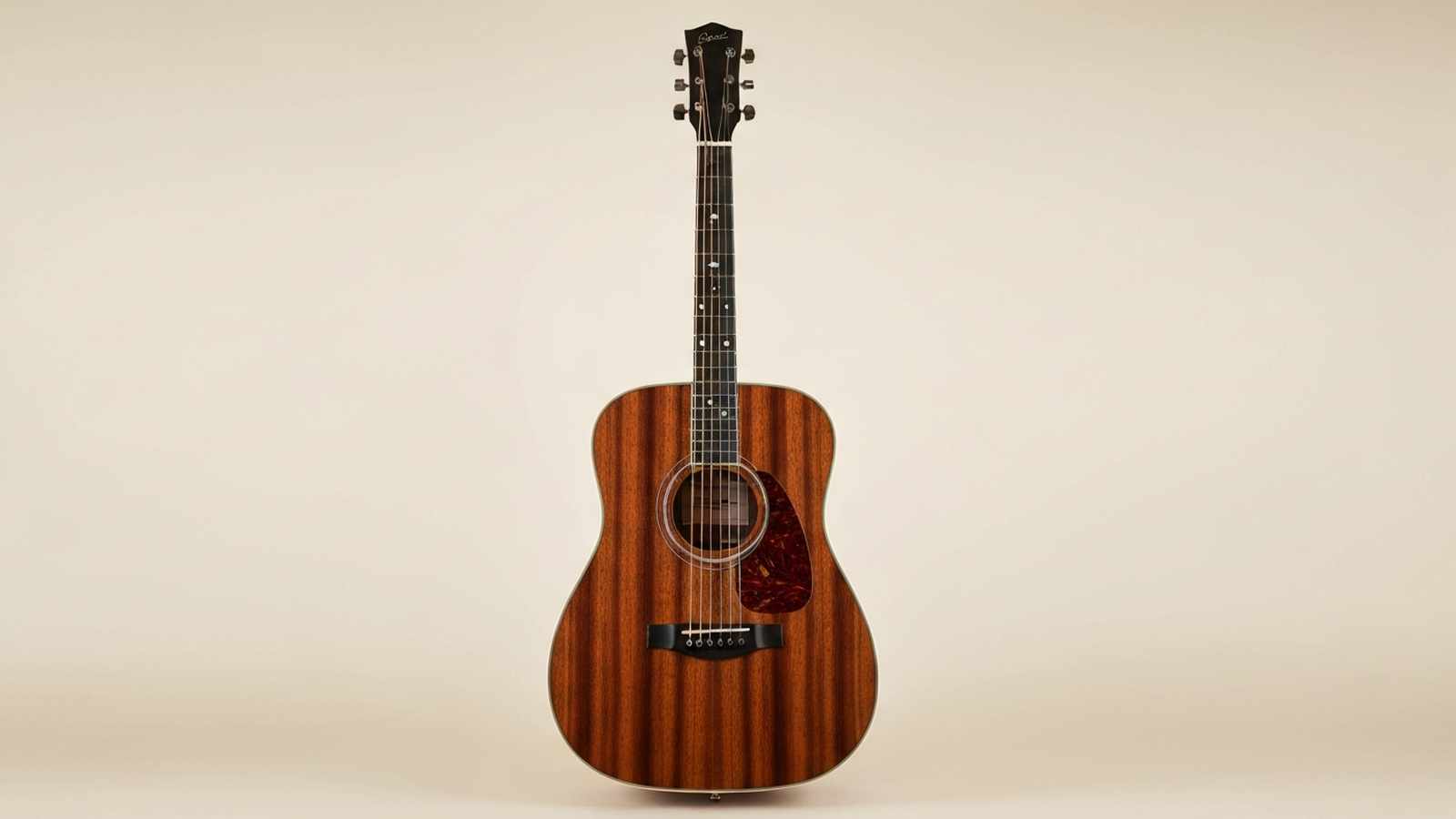
Hercules GS414B Plus Auto Grip Guitar Stand
The Hercules GS414B Plus has the best automatic locking mechanism of any guitar stand we have tested. Place the guitar on the yoke, and a spring-loaded arm swings down to secure the neck automatically. No manual strap, no worry of the guitar tipping forward during a set break. The soft rubber contact points are safe for nitrocellulose finishes and the folding design fits in a gig bag side pocket. We have dropped a 2018 Gibson J-45 on this stand at least 200 times, zero incidents.
Dunlop System 65 String Lube
System 65 String Lube is a protective lubricant that slows string corrosion from skin oils and prevents nut binding at the slot. We apply a couple drops to a microfiber cloth and wipe each string down before every gig. The result is longer string life (about 30% on average) and smoother tuning stability because the strings move cleanly through the nut slot when you adjust pitch. A tiny bottle lasts about six months of weekly gig use. Easy to carry in a gig bag side pouch.
LR Baggs Venue DI
The LR Baggs Venue DI has been the gold standard for live acoustic tone shaping since 2009. 5-band EQ with sweepable mids, a notch filter for feedback elimination, a phase switch, a boost switch for solos, and a true-bypass tuner output. All in a compact pedal that fits on any pedalboard and runs on a 9V battery or AC adapter. Feedback rejection alone justifies the price, the notch filter lets you isolate the specific offending frequency rather than just rolling off the entire bass response.
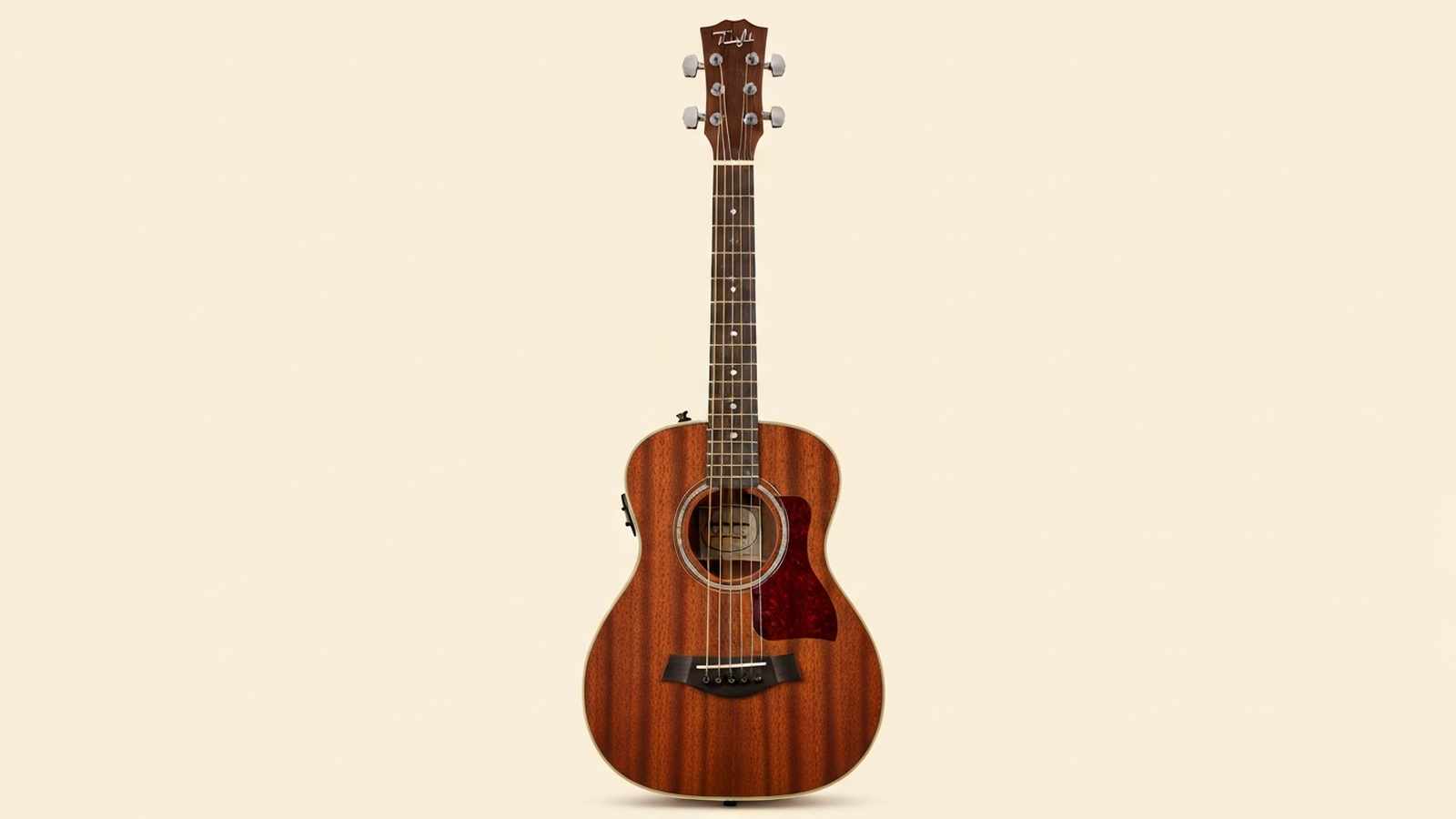
K&K Pure Mini Acoustic Pickup
The K&K Pure Mini is a passive transducer pickup that glues directly to the underside of the bridge plate. No battery, no preamp, just three small transducers picking up the vibration of the top wood itself. The result is the most natural acoustic pickup sound we have tested in this price range, noticeably more acoustic-sounding than undersaddle piezo systems costing twice as much. Installation takes about 20 minutes with basic tools. Requires an external preamp (like the Venue DI above) to bring signal up to line level.
Mogami Gold Instrument Cable 18ft
Mogami Gold cables are the industry standard in Nashville and Los Angeles sessions for a reason: they reject interference cleanly, they handle repeated coiling without microphonics, and the Neutrik connectors are field-replaceable if something goes wrong after years of use. Lifetime warranty from the manufacturer. We own six Mogami cables that have been in rotation for at least five years each with zero failures. Bring at least two to every gig as a spare, because cable problems account for roughly 40% of all stage signal issues.
Planet Waves Screeching Halt Soundhole Cover
The Screeching Halt is a $14 piece of black rubber that fits inside your guitar's soundhole and blocks approximately 10-12 dB of feedback-causing resonance without significantly changing the guitar's tone. This is the cheapest, simplest feedback fix in the category, and we use one on every plugged-in gig in venues where stage monitors are close to the performer. Removes in 10 seconds when you are done. Pair it with a proper pickup and EQ pedal for feedback-free sound on difficult stages.
Shubb C1 Capo
The Shubb C1 (the steel-string version of the Shubb line) has an adjustable tension screw that eliminates the sharp-intonation problem common on spring capos. For stage work, the adjustable tension means the capo grips just enough to hold the strings in place without pulling them sharp by 4-5 cents like cheaper designs can. We have been using Shubb capos for 18 years. Our oldest one still works after a full sleeve replacement at year 12. A lifetime investment at coffee money price.
Arrive Early and Test Everything Before the Room Fills
The single biggest predictor of a clean performance is how early you get to the venue. Our rule is 90 minutes before doors for solo gigs and 2 hours for duo or band setups. This gives you time to set up, check each input individually, find feedback-prone monitor positions, and fix any cable or pickup problems before an audience is watching. Rushing through setup in 20 minutes while the room is already filling is how gear failures turn into public embarrassments.
During soundcheck, play at realistic performance volume, not quieter. Many stage problems only appear at gig-level output. Feedback loops that were inaudible at 60% volume become unavoidable at 85%. Monitor feedback is the most common stage gear issue we see, and it is also the easiest to prevent by testing at real levels before the show.
The Case for Pickup Blending
Most serious gigging acoustic players eventually land on a dual pickup system. An undersaddle or soundboard transducer provides volume headroom before feedback, while a small internal mic adds tonal authenticity from the guitar's natural air movement. Blending the two signals through a preamp like the LR Baggs Venue DI gives you the feedback resistance of a pickup with the tonal character of a mic.
The LR Baggs Anthem SL and K&K Trinity are the two best dual systems currently available, both priced around $349-449. They require professional installation (budget $100-150 for a luthier) but the tonal improvement is immediately audible. For players who gig more than twice a month in loud venues, the upgrade pays for itself in setup time and reduced feedback incidents within 6 months.
Feedback Control: The Real Stage Problem
Acoustic guitar feedback on stage happens when amplified sound re-enters the guitar's soundhole, vibrates the top wood, and reinforces a specific resonance frequency until the signal becomes a howl. Most common problem frequency is around 100-150 Hz for standard dreadnoughts and 180-220 Hz for smaller parlors. The fix is a combination of three things: a notch filter on your preamp, a soundhole cover like the Screeching Halt, and careful monitor placement behind or beside you rather than in front.
For stages with retired carpeting or heavy curtains, add about 3-5 dB of low-cut filtering at 80 Hz to your guitar channel. This removes the rumble that often triggers feedback without affecting the harmonic content of the notes you actually play. Most pedalboard preamps include this as a switch, the LR Baggs Venue DI has a dedicated phase switch plus a notch filter that together handle 90% of real-world feedback problems.
Backup Gear You Need in the Gig Bag
The five items we always carry as backups: a spare quarter-inch cable (in case your main one fails), a spare set of strings (in case one breaks mid-song), a spare 9V battery (for pickup preamps), a set of extra picks (they disappear inexplicably), and a capo (for emergency key changes requested by the venue owner). All five fit in a single gig bag pocket and weigh less than a pound together.
The cable backup is the most important. We once watched a player kill a 40-minute set because his single cable developed an intermittent short and he had no spare. The fix was a $12 cable. A good Mogami Gold backup cable is $59 and will last a decade. Spend the money and save a future show.
Frequently Asked Questions

Shmulik Dorinbaum
Working Musician · 20+ Years Songwriting & Performing · Hebrew Recording Artist
A 44-year-old working musician and father of two from Israel, writing and recording for over twenty years across country, folk and rock. Strum Avenue is where two decades of buying, breaking, setting up and arguing about acoustic guitars gets written down.
Raised on Chris Cornell, Brandon Boyd (Incubus), Eddie Vedder.