Acoustic Guitar vs Classical Guitar: What's the Difference?
The Core Difference Is String Material
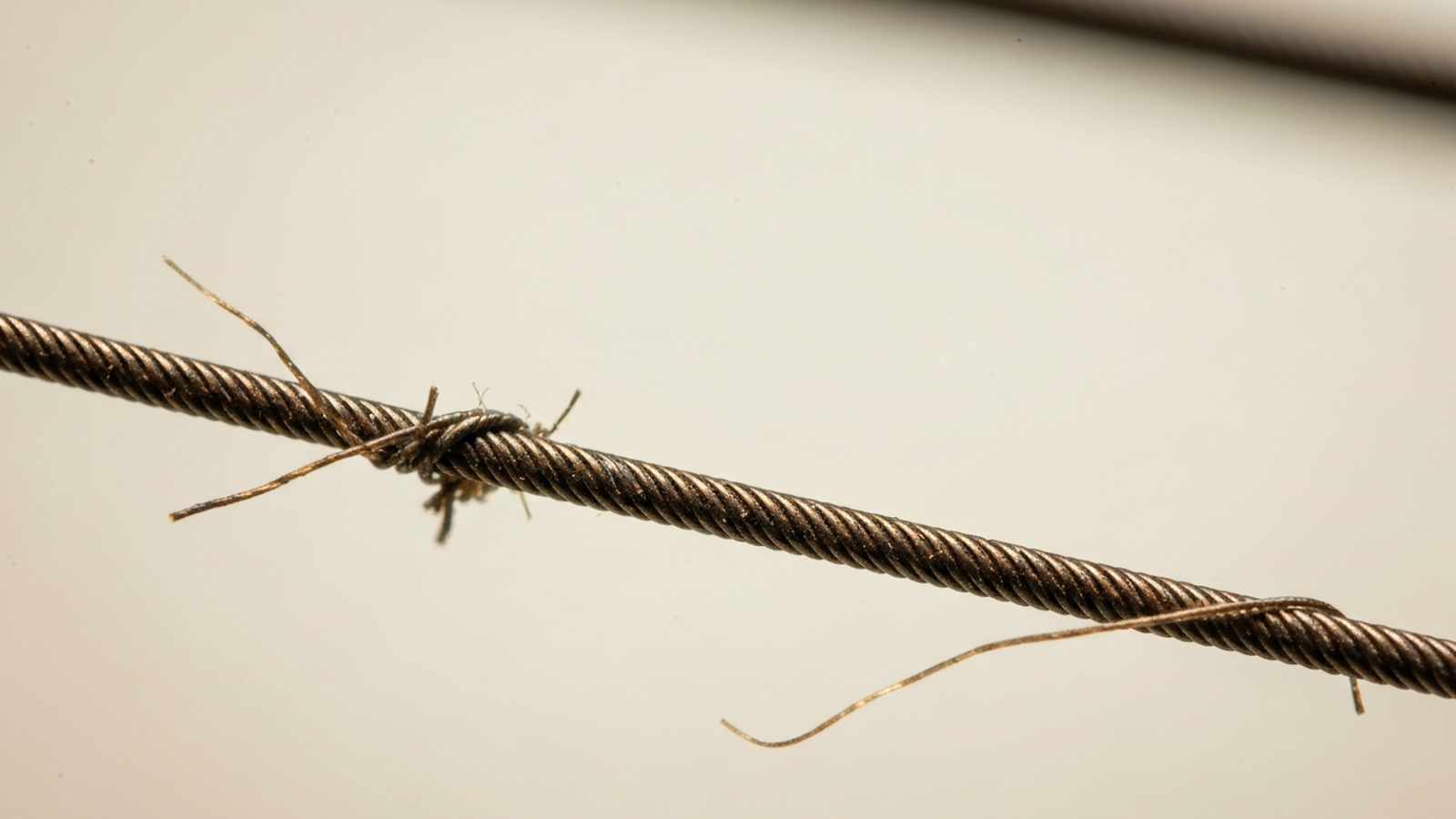
A classical guitar uses nylon strings at roughly 80 to 90 pounds of total tension; a steel-string acoustic uses phosphor bronze or 80/20 bronze strings at 150 to 180 pounds. That 60 to 100-pound difference drives every other spec on the instrument: the bracing pattern, the neck reinforcement, the nut width, and the body depth. A Yamaha C40 classical at $140 and a Yamaha FG800 steel-string at $229 look similar at first glance, but they are engineered for completely different jobs.
In practical terms, classical guitars produce a warm, round, mid-forward tone suitable for Bach, Villa-Lobos, flamenco, and bossa nova, while steel-strings produce a bright, strum-friendly tone optimized for folk, country, pop, and bluegrass. After 15 years of teaching I can confidently say the choice comes down to repertoire rather than skill level.
Nut Width and Neck Profile
Classical guitars have a nut width between 50mm and 52mm (roughly 2 inches), giving strings wide spacing for right-hand fingerstyle technique. The neck is flat, thick front-to-back, and joined to the body at the 12th fret on most traditional models like the Cordoba C7 or the Yamaha CG142S.
Steel-string acoustics use nut widths between 42mm (1.65 inches) on a slim-necked Taylor to 45mm (1.77 inches) on a Martin classical cutaway. The neck is rounded, typically V-shaped or C-shaped, and joins the body at the 14th fret on most post-1934 models. If you are coming from electric guitar, a steel-string neck will feel familiar; a classical neck will feel like a plank the first week.
Body Construction and Bracing
Classical guitars use fan bracing (seven or nine struts radiating from the soundhole toward the tail), a pattern refined by Antonio de Torres in 1850s Spain and still the standard on Ramirez, Cordoba, and Alhambra instruments. The lower tension allows thinner tops (typically 2.3mm to 2.5mm) that vibrate freely and produce the characteristic mid-forward classical voice.
Steel-string acoustics use X-bracing, invented by C.F. Martin around 1843, with the two primary braces crossing under the bridge. This pattern can handle the higher string tension without collapsing and produces the stronger fundamental and bass response that define the folk and bluegrass sound. A Martin D-28 top is about 2.8mm to 3.0mm thick with scalloped X-bracing, giving it the punch to project over a banjo and fiddle.
Playing Technique and Right-Hand Approach
Classical technique is almost exclusively fingerstyle. The thumb handles the bass strings while index, middle, and ring fingers pluck the treble. Nails are grown to 1.5 to 2mm past the fingertip and shaped with emery boards for tone control. Flamenco players use the same setup with added rasgueado (strummed finger rolls) and golpe (tapping the body), which is why flamenco guitars have a clear tap plate glued to the top.
Steel-string technique covers flatpicking, fingerstyle, strumming with a pick, and hybrid picking. Tommy Emmanuel uses a hybrid approach with a thumbpick and three fingers; John Mayer uses bare fingers for 'Stop This Train' and a flat pick for 'Gravity.' The versatility of steel-string technique is why most singer-songwriters start there.
Price Tiers and Trustworthy Brands at Each Level
At the $150 to $300 beginner tier, classical players should look at the Cordoba C5 or Yamaha C40, while steel-string players should look at the Yamaha FG800 or Fender CD-60S. At $500 to $900, Cordoba's Iberia series competes with Taylor Academy and Martin Road Series steel-strings. Above $1,500, you are in handbuilt luthier territory: Ramirez, Kenny Hill, and Thomas Humphrey on the classical side; Collings, Santa Cruz, and Martin Standard Series on the steel side.
Budget matters less than fit at every tier. Players regularly report $300 Cordobas that outperform $2,000 models because the specific instrument has a live top, and owner forums are full of stories about $4,000 guitars that sat dead until a bridge-plate mod brought them to life.
Which Should a Beginner Buy in 2026
If you want to play Willie Nelson, James Taylor, Jack Johnson, or any singer-songwriter material, buy a steel-string. The Yamaha FG800 at $229 remains the best entry point in 2026 for folk and pop. If you want to play Villa-Lobos, Agustin Barrios Mangore, or any Spanish classical repertoire, buy a nylon-string. The Cordoba C5 at $299 is the equivalent benchmark.
The soft-string argument for beginners is mostly a myth. Classical strings feel softer under the fingers but the wider neck makes barre chords harder for students with small hands. The correct choice is driven by what music you actually want to play, not by finger comfort for the first three weeks.
Frequently Asked Questions

Shmulik Dorinbaum
Working Musician · 20+ Years Songwriting & Performing · Hebrew Recording Artist
A 44-year-old working musician and father of two from Israel, writing and recording for over twenty years across country, folk and rock. Strum Avenue is where two decades of buying, breaking, setting up and arguing about acoustic guitars gets written down.
Raised on Chris Cornell, Brandon Boyd (Incubus), Eddie Vedder.