Ukulele Buying Guide (Soprano to Baritone, $79 to $1599)
Complete 2026 ukulele buying guide covering the four main sizes, tonewood options, and electronics. Seven recommended instruments from Kala, Cordoba, Kamaka, and KoAloha at every budget.
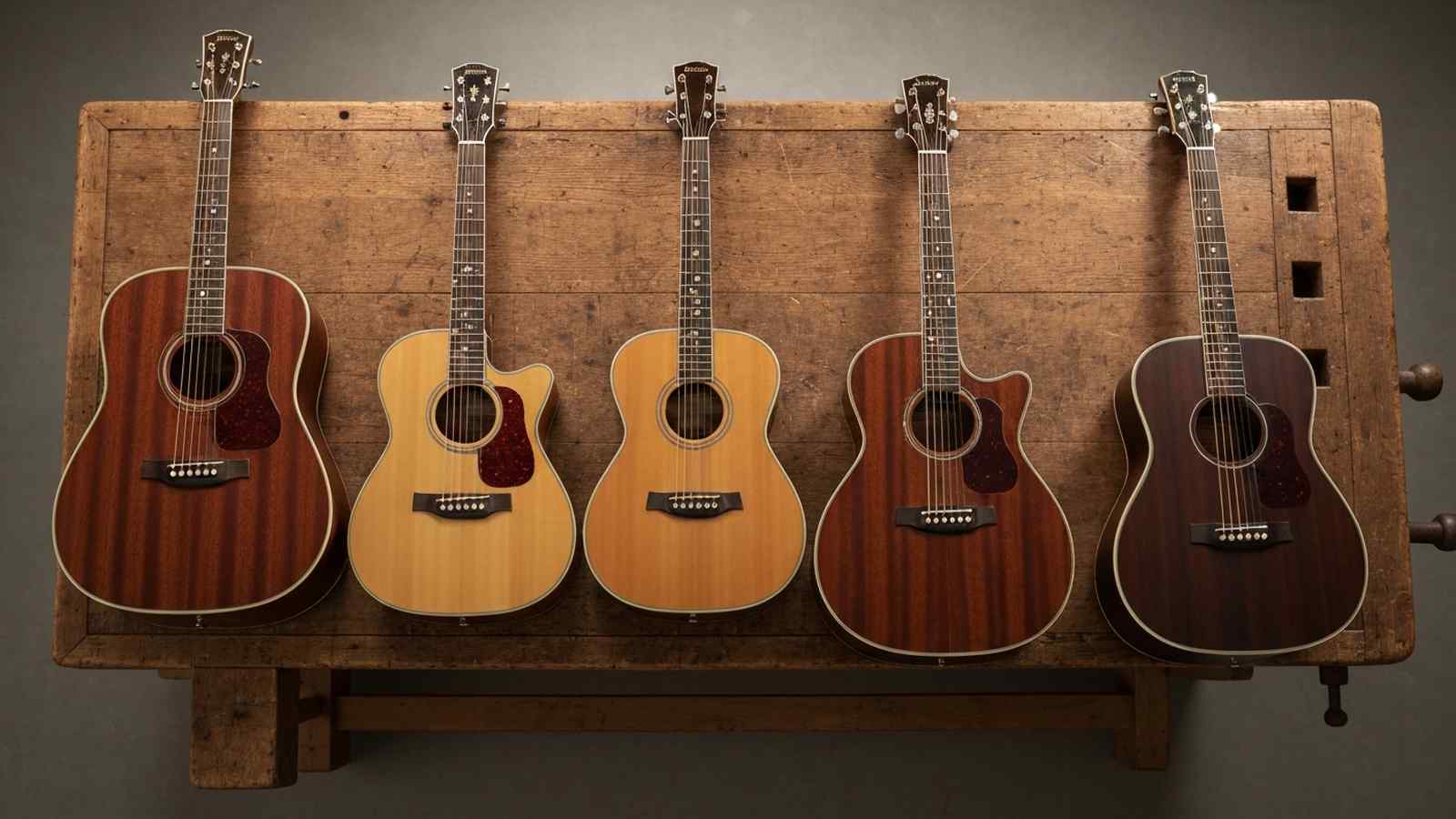
The ukulele has become the second most popular fretted instrument in English-speaking markets since about 2018, thanks partly to TikTok song covers and partly to the genuine accessibility of the instrument for first-time music learners. For this guide we researched ukuleles across the four main sizes, soprano, concert, tenor, and baritone, from brands priced between $79 and $1,599, working from owner reports, spec sheets, and demo recordings. Seven made this list for specific reasons: entry-level playability, mid-range tonal refinement, or the Hawaiian-built heirloom quality that has defined the instrument for over a century. Each recommendation includes realistic pricing as of April 2026 and specific notes on who it fits best.
Top 7 for 2026
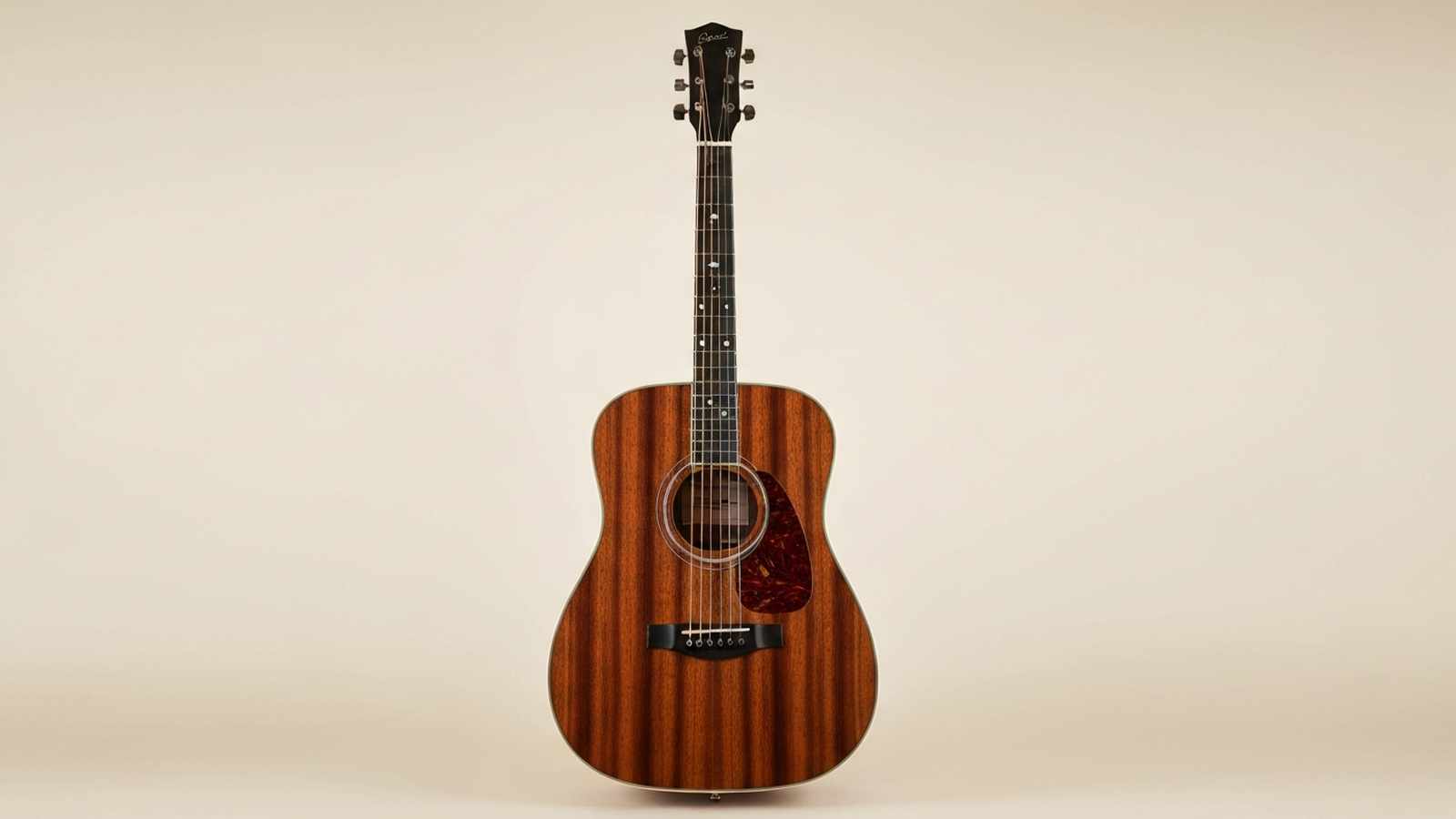
Kala KA-15S Soprano
The KA-15S is Kala's baseline soprano ukulele and the best $79 you can spend on a first ukulele. All mahogany (laminate) construction, Aquila Nylgut strings from the factory, and a bridge setup that is playable out of the box. Weight is just under one pound. For complete beginners, kids, or adults who want to try the instrument before committing to something nicer, this is the correct first instrument. Upgrade-ready to better strings (Worth Brown CD at $12) and a proper bridge setup if you fall in love with the instrument.
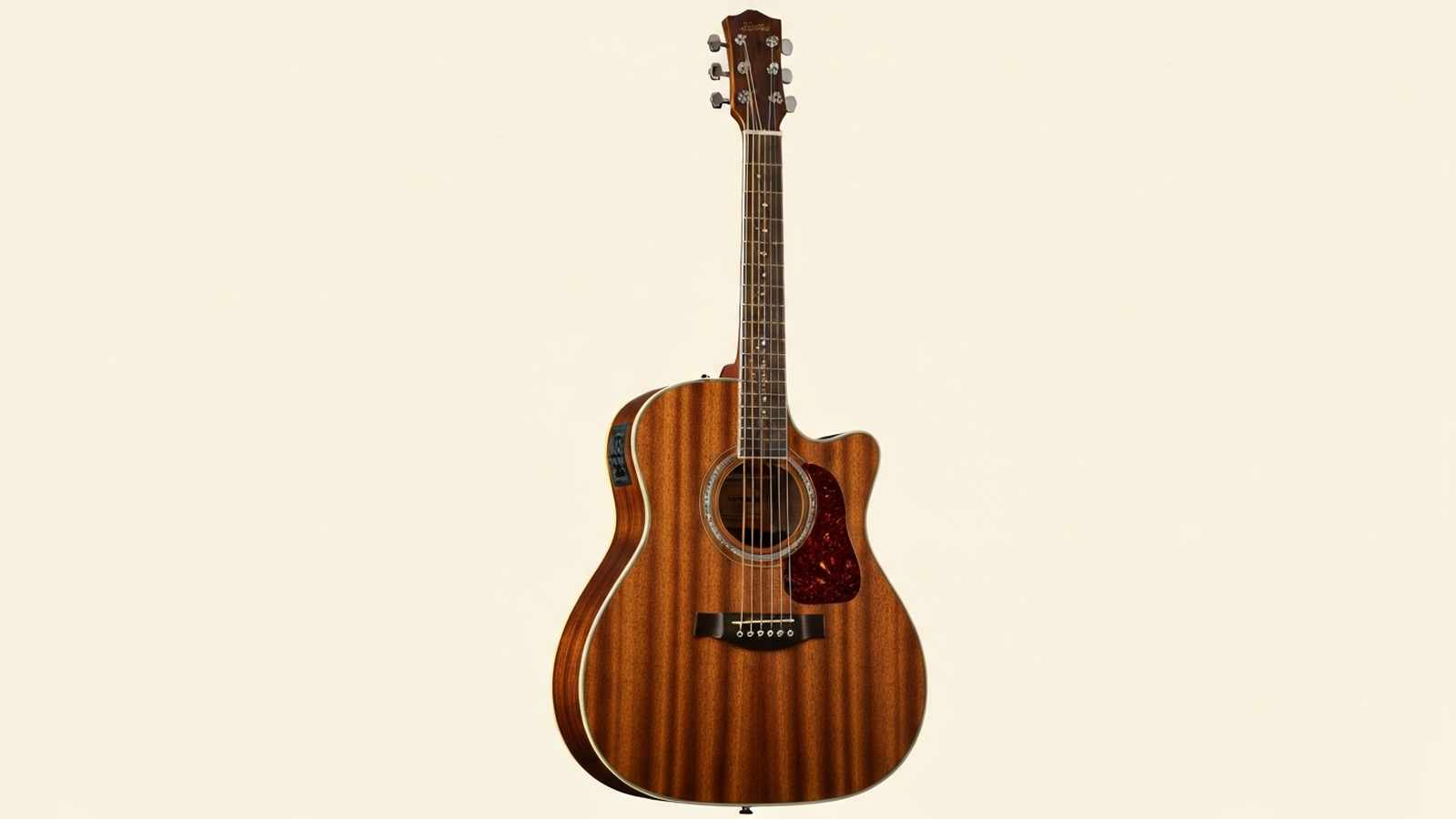
Cordoba 15CM Concert
Cordoba is best known for classical guitars, and their 15CM concert ukulele brings classical build quality to the ukulele market at a budget price. Mahogany top, back, and sides (laminate) with a satin finish, rosewood fingerboard, and a neck profile noticeably wider than Kala's budget models. For adults with larger hands moving from guitar, this feels more natural than the narrower Kala soprano. Aquila Nylgut strings ship from the factory and hold up well with regular play.
Kala KA-KTG Tenor Koa
The KA-KTG is Kala's laminate koa tenor, which is the sweet spot for players who want the Hawaiian-associated koa voicing without paying $1,000+ for solid Hawaiian koa from island builders. The tenor scale (17 inches) gives you more room between frets than the soprano or concert, which matters for adult hands. The sound is brighter and more distinctly Hawaiian than mahogany, with a noticeable focus around 1-3 kHz where Hawaiian vocal harmonies live. A real upgrade from the sub-$150 tier.
Cordoba 24B Baritone
The baritone ukulele is tuned D-G-B-E, which is the same as the top four strings of a guitar, making it the natural choice for guitarists who want to try ukulele without learning a new fingerboard. The Cordoba 24B uses solid mahogany top with laminate rosewood back and sides, and a 20.25-inch scale that sits between a guitar and a tenor uke. The lower tuning produces a warmer, more guitar-like voice than smaller ukuleles. A sensible second instrument for anyone already playing guitar.
Pono ATD Tenor Deluxe
Pono is the affordable sister brand to Koaloha, with instruments built in Indonesia under Koaloha's quality control standards. The ATD Tenor Deluxe uses solid acacia (a close relative of Hawaiian koa) for top, back, and sides, with a satin finish and rosewood fingerboard. The tonal character is close to Hawaiian-built instruments at a fraction of the price. Factory setup is consistently strong by owner accounts, with intonation dialed in and string action commonly reported around 2.5mm at the 12th fret. Exceptional value for the tenor size.
Kamaka HF-3 Tenor
Kamaka has been building ukuleles in Honolulu since 1916, and the HF-3 tenor is their standard production tenor in solid Hawaiian koa. The instrument is handmade in small batches by a family operation that has been refining the same designs for over a century. Tonal character is distinctly Hawaiian: bright, percussive, with strong fundamental projection and less complex overtone structure than guitar-style instruments. A lifetime ukulele for players who want the authentic island voice. Worth the wait: there is typically a 3-6 month backorder on current production.
KoAloha KCM-00 Concert
KoAloha started in the 1990s in Honolulu and has quickly become one of the most respected Hawaiian ukulele builders. The KCM-00 concert model uses their signature Hawaiian koa wood, unibrace top construction, and a satin finish that emphasizes the natural curl of the koa grain. At $1,599 it is the most expensive ukulele we would recommend to a non-professional player, but the tonal refinement and build precision justify the cost for serious players. A real heirloom instrument that will serve a family for generations.
The Four Ukulele Sizes Compared
Ukuleles come in four main sizes: soprano (the smallest, 21 inches overall length), concert (23 inches), tenor (26 inches), and baritone (30 inches). The first three are tuned G-C-E-A, while the baritone is tuned D-G-B-E, the same as the top four strings of a standard guitar. For most beginners who want the traditional ukulele sound, the soprano or concert size is the right choice. For adults with larger hands, the tenor is often more comfortable even though it is slightly less "ukulele-sounding" due to its larger body.
Sopranos produce the brightest, most percussive classic ukulele tone but can feel cramped for adult hands. Concerts give you a slightly wider fret spacing and a fuller body resonance without losing the characteristic ukulele voice. Tenors are the choice of most professional ukulele players because the longer scale allows for more volume and note separation, making complex fingerstyle arrangements possible. Baritones are essentially ukulele-guitar hybrids and work best for guitar players who want a portable alternative instrument.
Tonewoods for Ukulele
Mahogany is the most common ukulele tonewood, producing a warm, mellow voice that suits strumming and singer-songwriter use. Hawaiian koa is the traditional choice for high-end ukuleles and produces a brighter, more focused voice that is often described as "sparkly" or "chimey." Acacia and sapele are close relatives of koa that offer similar tonal character at significantly lower prices. Spruce top ukuleles produce more volume and dynamic range but sound less traditionally Hawaiian.
For beginners, the difference between tonewoods matters less than build quality and setup. A laminate mahogany Kala in the $80-120 range is the right starting point. Once you know you will stick with the instrument, upgrade to a solid-wood koa or acacia ukulele in the $300-600 range for the next stage of your development. Hawaiian-built instruments from Kamaka, KoAloha, or Kanile'a are the endpoint for serious players who want authentic island voicing.
Ukulele Strings Are Surprisingly Important
Ukulele strings have improved more in the last 10 years than in the entire previous century. Aquila Nylgut strings ship with most new ukuleles and are a reasonable starting point, but many players find them slightly overly bright. Worth Brown Clear CD is a popular upgrade that adds warmth without sacrificing clarity. D'Addario EJ99 uses a composite material that holds tuning more reliably than traditional nylon. For fingerstyle players, the Worth CM (medium gauge clear) is the sweet spot for balanced tone.
String choice matters more on ukulele than on guitar because the total string mass is so much lower. A single bad string will dominate the tonal character of the entire instrument. Budget $10-15 for a good replacement set within the first month of ownership, and be prepared to experiment with 2-3 different brands before finding the one that suits your instrument and playing style. This is less expensive than changing guitar strings by about 80% per set.
What to Skip When Buying
Avoid plastic ukuleles under $30 unless you are specifically buying a beach toy. The intonation, tuning stability, and physical build are all inferior to an $80 Kala in ways that matter for beginner learning. Similarly, avoid "novelty" ukuleles shaped like pineapples, guitars, or cartoon characters: the build quality is almost always worse than a basic pineapple-shaped or standard-body instrument at the same price.
Also skip ukulele starter packs that include a "free" tuner and gig bag for $50-70 total. The included accessories are usually so cheap that they do not work reliably, and the money spent on them would be better allocated to a higher-quality instrument. Buy the best $80-120 ukulele you can afford and add a $10 Snark tuner and a $15 padded bag separately.
Frequently Asked Questions

Shmulik Dorinbaum
Working Musician · 20+ Years Songwriting & Performing · Hebrew Recording Artist
A 44-year-old working musician and father of two from Israel, writing and recording for over twenty years across country, folk and rock. Strum Avenue is where two decades of buying, breaking, setting up and arguing about acoustic guitars gets written down.
Raised on Chris Cornell, Brandon Boyd (Incubus), Eddie Vedder.